
We all know that there’s nothing quite like getting outdoors and immersing yourself in the beauty of the natural world, and we also know how important it is to plan ahead. You never know what curveballs nature is going to send your way, and that means you have to be prepared for every eventuality.
To help you stay two steps ahead so that you can enjoy your time away from it all, we’ve put together a streamlined list of the essential kit you need. Let’s dive right in!
Navigation aids
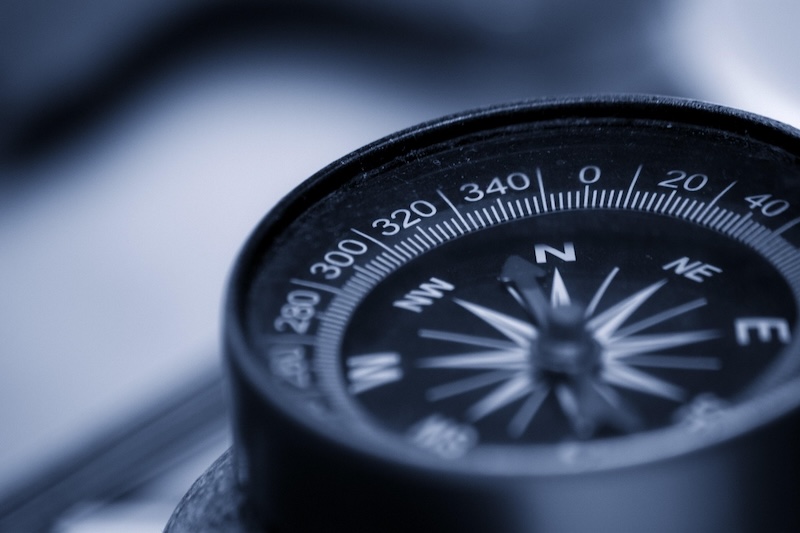
A map, a compass, and perhaps a GPS device or your phone are all essential if you want to make sure you’re always going in the right direction. Taking a powerpack for your phone could also really help because it will give you that extra peace of mind that comes from having more flexibility.

What to wear
If it’s cold or the weather could change quickly, insulation layers such as an extra fleece and a set of waterproofs will make all the difference.
Safety first
You will want a first aid kit complete with any meds you need to take regularly, as well as tape for addressing blisters. If it’s sunny, you’ll need your suncream, sunglasses, and a sun hat.
Sheltering and cooking kit
A tent to suit the weather and the number of people is a good idea. You could sleep in a bivvy bag if you prefer amore minimalist approach. You’ll also want an inflatable sleeping mat and a good quality sleeping bag.
Pack cooking items, such as a camping stove, pan, plate and spork, as well as a lighter and/or waterproof matches.
Food and water are also vital ingredients.

Personal care and hygiene kit
Many people pack a small towel and a bar of travel soap to allow them to stay fresh and to stop issues like sore skin from causing issues a couple of days in. Packing a toothbrush and a tube of Duraphat 5000 toothpaste that every reliable local dental practice will be able to source from a trusted national supplier is also really important.
Emergency kit and tools
Having a whistle, a signal mirror, and a satellite communicator will make it possible to call for help if you need to. You will also want to take a battery-powered head torch with two sets of spare batteries with you so that you can move from A to B without having to use one of your hands to carry a conventional torch.
A multi-tool that includes a sharp knife will also help when you need to carry out quick little repairs that cannot wait until you get back home. A roll of duct tape, a patch kit, and some spare cord will also help you to think on your feet so that Mother Nature is never able to get the better of you.
Are you carrying too much?
Of course, there is a limit to how much you will physically be able to carry, and we all also have to accept that we cannot have a specialist piece of kit for every single thing. For this reason, it’s always a good idea to focus on tools and kits that can be used in a wide array of different ways. A multi-tool is better than a toolkit, and a water bottle with an integrated purifier is better than a bag of disposable bottles of water and some purification tablets to use when your supply runs out.
If in doubt, do a dry run where you pack everything into your hiking backpack and go for a 30-minute walk around the neighbourhood. If you get home and cannot imagine asking your legs and back to carry that pack all weekend, you need to economise and look for multifunctional items that will save you weight and space.