
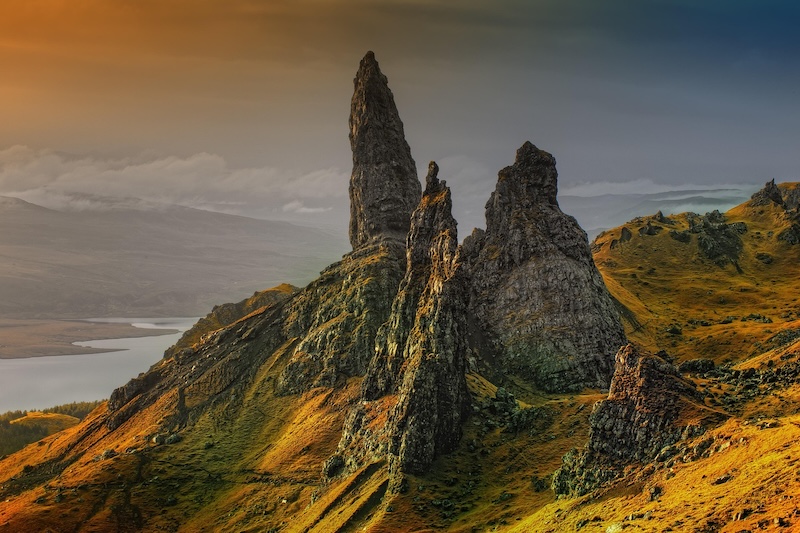
Spring and autumn are often seen as quieter times in Scotland’s walking calendar. Neither season promises the long evenings of midsummer, nor the (sometimes) deep snows of winter, yet both offer a distinctive balance that experienced walkers will appreciate. For anyone mapping out a multi-day route, these months subtly reshape decisions around pace, logistics and where to go.
The appeal is partly emotional. Quieter glens, softer light and a sense of space can make a familiar trail feel new again. At the same time, shoulder seasons demand more thought than simply following a fixed itinerary downloaded months earlier.
That planning mindset extends beyond the trail itself. Evenings are longer than winter but still unpredictable, and walkers often think about how they’ll spend downtime in hostels or small inns once boots are off.
Some people track booking patterns or online habits in the same way they monitor footfall on popular routes, using tools that reveal traffic insights for UK platforms as a rough parallel for understanding when places, physical or digital, are busiest. It’s not about the activity itself, but about recognising patterns and avoiding pinch points when rest matters most.

Understanding shoulder season conditions
Scotland’s shoulder seasons sit on a moving line between winter and summer. Spring can arrive with crisp mornings and lingering snow patches on higher ground, while autumn often brings calmer weather punctuated by fast-moving Atlantic systems. Temperatures are generally moderate, but variability is the defining feature.
Guidance on seasonal conditions notes that spring typically delivers cooler days and fewer midges, while autumn is marked by clear air, rich colours and thinning crowds, according to a detailed seasonal walking guide. For route planners, this means weighing visual rewards against shorter daylight hours, especially in October when evenings close in quickly.
These conditions also influence risk tolerance. River crossings that are straightforward in July may be more complex after spring snowmelt or autumn rain. As a result, walkers often favour routes with alternatives, lower passes or easier exit points during these months.
Route selection and daily distances
Choosing a route in the shoulder seasons is rarely about chasing the longest mileage. Instead, daily distances tend to shrink slightly to allow for slower ground, photo stops or weather delays. A 25km summer day can feel very different when daylight fades earlier and paths are slick with fallen leaves.
Popular trails add another layer. Scotland’s walking economy remains substantial, with total visitor spend reaching £11.4 billion in 2024, as outlined in VisitScotland’s tourism performance data. That scale explains why routes like the West Highland Way can still feel busy during peak weeks in May or September, even outside high summer.
Many walkers respond by tweaking start points or direction of travel. Beginning midweek, reversing a classic route, or linking lesser-known sections can preserve the solitude that draws people to shoulder-season walking in the first place.

Logistics, travel and resupply
Logistics often make or break a shoulder-season walk. Accommodation options may be limited as smaller bunkhouses and cafés adjust opening days outside summer. Transport timetables can also be thinner, particularly in rural areas, turning missed connections into lost days.
Yet the broader trend is encouraging. Domestic overnight tourism in Scotland generated £747 million in spend during Q2 2025, according to the Great Britain Tourism Survey. That sustained spring demand has helped extend operating seasons for some services, giving walkers more flexibility than in the past.
Resupply planning still matters. Shoulder-season walkers often carry an extra day of food or plan conservative water stops, accepting a slightly heavier pack in exchange for resilience when a shop is closed or weather slows progress.
When flexibility matters most on trail
Perhaps the biggest lesson of shoulder-season walking is the value of adaptability. Fixed itineraries can unravel quickly when wind, rain or an early dusk intervenes. Building in shorter days, rest stops or optional escape routes allows walkers to respond rather than react.
There is also a mental shift. Spring rewards patience with unfolding landscapes and wildlife, while autumn offers moments of clarity and colour that encourage lingering. Letting those moments shape the day, rather than forcing mileage targets, often leads to a richer experience.
In the end, Scotland’s shoulder seasons favour walkers who plan thoughtfully but hold plans lightly. By understanding conditions, adjusting distances and respecting the logistical realities of the time of year, multi-day routes become less about ticking boxes and more about moving well through a changing landscape.