
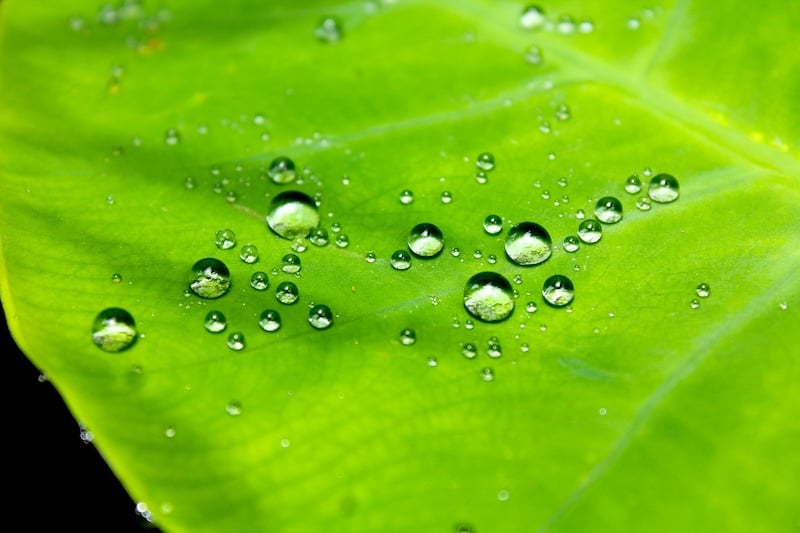
Waterproof fabrics, such as those used for waterproof hiking and running jackets, as well as waterproof trousers, are usually rated for how waterproof they are. This is measured as a Hydrostatic Head (HH) rating, which refers to fabric’s waterproof capability. HH is measured by determining how high a column of water (in millimetres) can stand on it before leaking.

What HH rating mean:
- <1,500mm: Water-resistant for light showers.
- 1,500mm – 5,000mm: Waterproof for light rain or moderate conditions.
- 5,000mm – 15,000mm: Suitable for sustained rain.
- 15,000mm – 30,000mm+: Suitable for heavy rain, snow and more extreme conditions.
Breathability RET
A waterproof fabric needs to allow vapour from sweat to pass through from inside to outside. This is called the breathability of a fabric, or RET, which stands for Resistance of Evaporation of a Textile. If a fabric can’t breathe, you will end up wet inside due to sweat.
RET measures a fabric’s breathability, with lower values indicating better breathability and sweat vapour transmission. A rating of 0–6 (extremely breathable) is ideal for high-activity, while 6–13 (good) suits moderate activity, and >20 is considered low breathability.
There is always a balance to strike
Fabrics for waterproof clothing need to strike a balance of waterproof and breathable. A fully waterproof fabric, for example plastic or oilskin, will create a full barrier to the rain and wet but they won’t allow you body’s sweat to dissipate. In fact, these sorts of fabrics will create sweat and therefore you will feel wet inside.
In contrast, a jacket that is too breathable may not work so well to keep the rain out.
When moving faster and working harder, such as when running, the fabric needs to be more breathable and this means jacket designers will try to create a fabric that is both waterproof and breathable. This is not easy to achieve and generally a waterproof jacket for runners will not be as waterproof as a jacket for walkers.
Walking jackets for winter wear, when weather conditions can be less clement and rain or snow is more sustained, means the fabrics need to be more robustly waterproof and less breathable as a result.
How can fabrics be waterproof and breathable?
Modern waterproof fabrics are created with specialised membranes or coatings that feature microscopic pores that are too small for liquid water to pass through but large enough to allow water vapour (sweat) to escape.
Technologies include expanded polytetrafluoroethylene (ePTFE, e.g. Gore-Tex) or polyurethane (PU) coatings. Durable water repellent (DWR) treatments are often added to create a barrier against rain while facilitating breathability.