
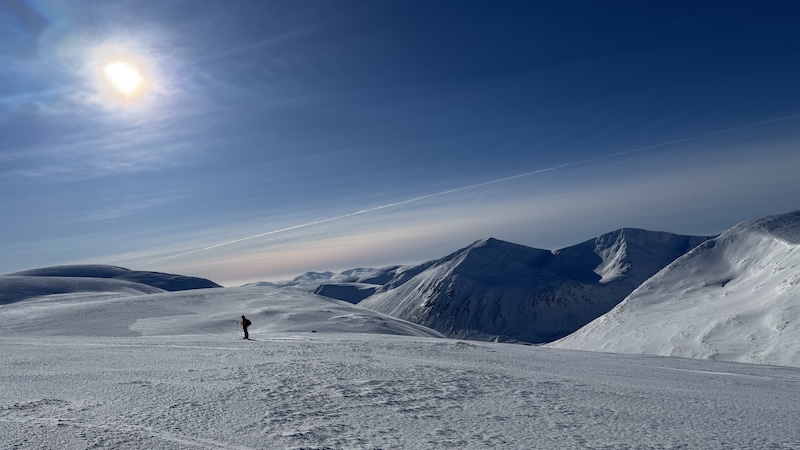
I have been asked many times what it’s like to ski in Scotland. The short answer is, it can be amazing, but it can also be very challenging. The snow comes and goes, sometimes very quickly. The weather is very changeable, too. However, if you are lucky with the conditions, there are many rewards when skiing in Scotland, including five ski resorts, freedom to ski tour in many uncrowded places, great accessibility to mountains, different terrains suited to a variety of skiers, incredible views and some amazing challenges. Here are some of the things I’ve learned about skiing in Scotland.
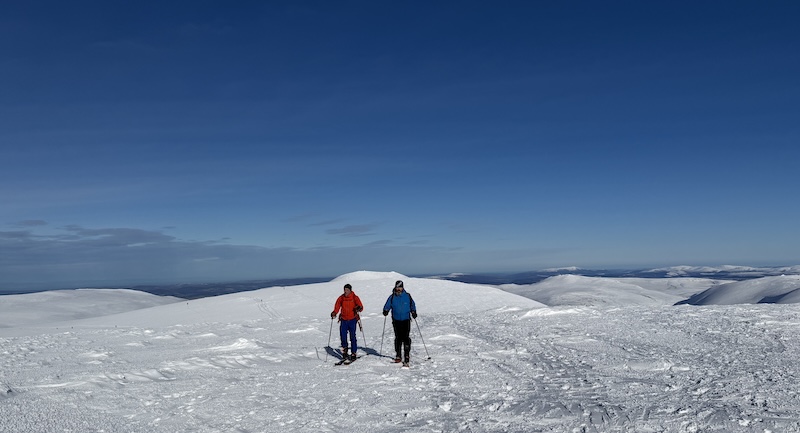
You need to keep an eye on the weather
It pays to keep a close eye on the weather forecast in winter. Check a range of forecasts, including MWIS, the Met Office and Meteo Blue. This allows you to plan a few days ahead and aim to go where the weather looks better for skiing. It is also important for ski tourers to check the Scottish Avalanche Information Service for slopes that are prone to avalanching.
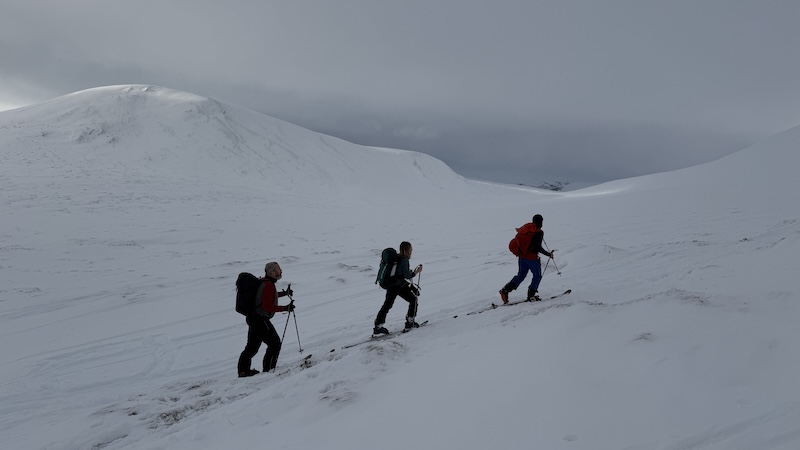
Flexibility is key
If you can ski on week-days and not just at the weekend – and you have the flexibility with life and work to take an opportunity for a good weather day – then you will have a much greater chance of a fine ski day in Scotland.
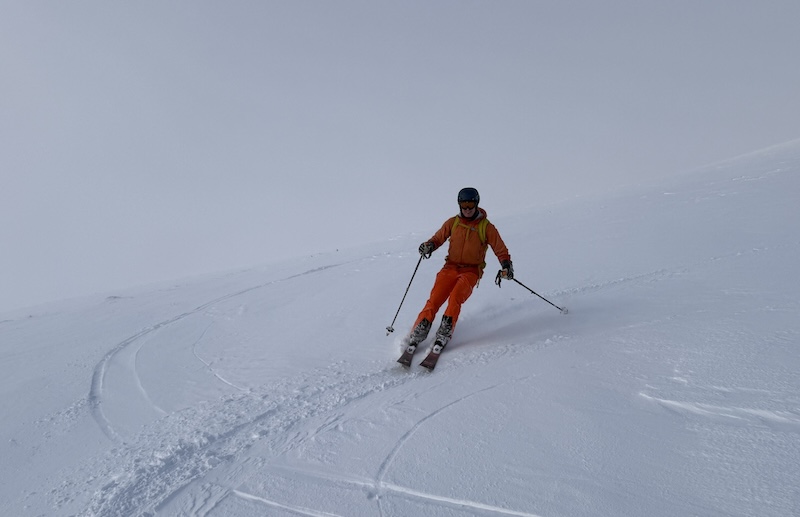
More than one season in a day
A winter’s day in Scotland can start with sunshine but it doesn’t always mean it will stay. The sun can quickly end up hidden behind cloud, before it starts to snow or rain and then the wind can pick up. Likewise, a cloudy, snowy morning may turn into a bluebird afternoon.
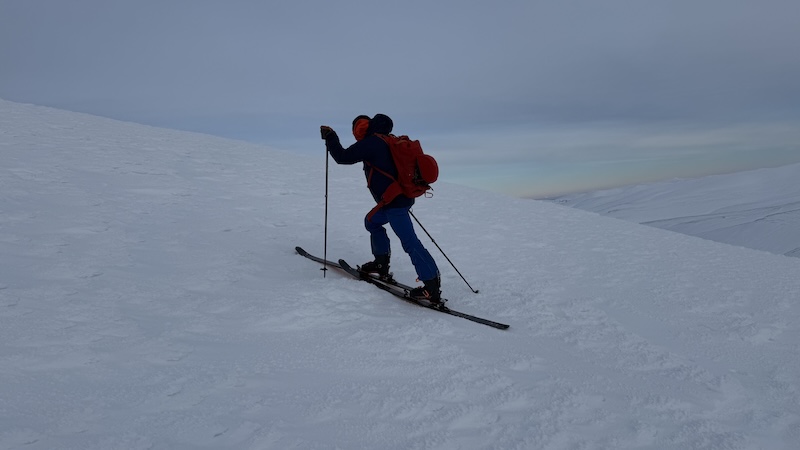
Ski resorts get crowded
The five Scottish ski resorts are not big by European standards and the lift passes can sell out but when conditions are right there are plenty of opportunities to enjoy groomed slopes. Make sure you book your lift pass tickets early and check the road alerts to ensure you can reach the resorts, as well as the opening of the lifts on the day.
Ski touring is a superb option
Ski touring in Scotland offers access to a wealth of different locations and adventures. Our Scottish Outdoor Access Code is unique in the UK and it means we can responsibly access many hills and mountains that are good for skiing.
Ski touring means you do not need use lifts to reach the slopes because you “skin” uphill and it allows you to reach many, many amazing places, from hills to Munros.
There are been a big growth in ski touring and I can totally see why.
Here are some ski touring ideas:
Book review: Ski Mountaineering in Scotland
Ski tour: Beinn Dhorain, Sutherland
Blue sky skiing: Cairngorms, Scotland
Ski touring The Fara – a Corbett in the Scottish Highlands
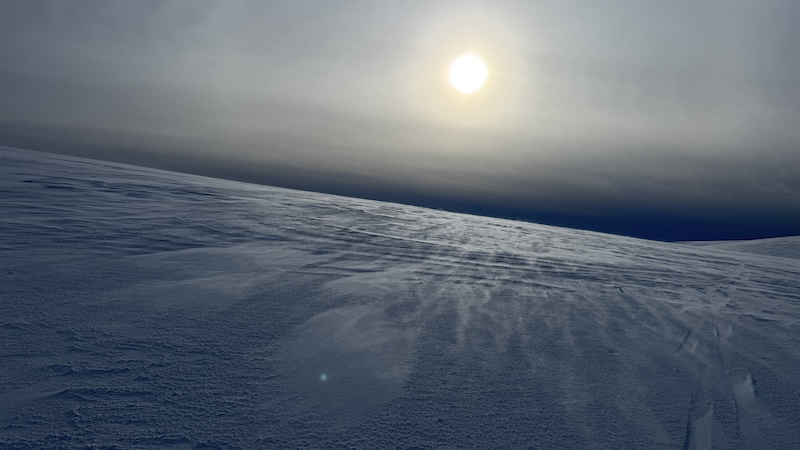
A ski tour can sometimes feel like a hike on skis
To avoid disappointment, you should be aware that ski touring in Scotland can often involve long uphill skins simply for a short section of downhill skiing. You can then do a few skin up, ski down laps where you find good snow.
Plenty of ski touring routes take you to summits but these can involve more time with skins on than skins off. You might ascend for a long time to travel from roadside to a remote mountain summit, do a short descent, then ascend again, before another short section of descent.
On one recent occasion, on a ski tour of Beinn Dhorain, I skinned uphill for hours, enjoyed a section of descent, skinned some more, enjoyed a bit more descent but then discovered that the exit route would require more skinning than skiing!
I really like touring on skis in this way because I enjoy the exercise of skinning uphill but if you are hoping for a skin up and then a long descent this doesn’t always happen due to snow conditions and the shape of the landscape. You need to choose your route to suit your aspirations but, even then, it might not work out as you imagined.
Book some skills courses
Winter skills courses, navigation sessions and ski touring or off-piste skiing lessons will be a huge aid to enjoyment, as well as keeping you safe. I have learned ski touring skills from experts and from friends who have more experience than me.
If you have a local ski club – I am fortunate to be a member of Inverness Backcountry Snowsports Club – you will easily meet new people and learn from others.
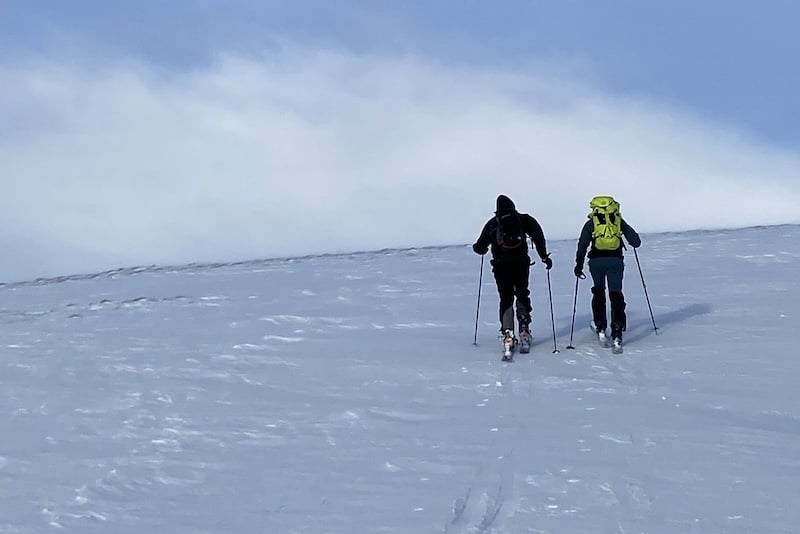
Have a plan B
Because Scotland’s weather can be fickle, it’s important to have a Plan A, B and even a C. Don’t try to doggedly continue with Plan A if you are going to be faced with poor conditions of dangers.
It might be that you need to make a Plan B when you arrive at the start of Plan A because there is limited parking – parking at a mountain base on a busy ski day can be a problem – or due to a sudden shift in avalanche forecast.
Also be prepared to change a plan once you have set off. For example, an ambitious ski touring day may need to be shortened to accommodate speed of the group and the conditions.
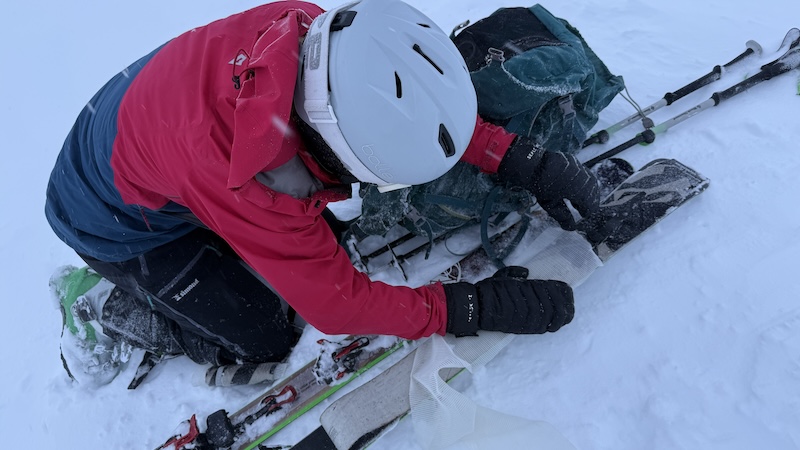
It’s known as survival skiing
They say that if you can ski in Scotland, you can ski anywhere. This is because the skiing can be very challenging due to the terrain. It is rare to have all mountain slopes covered in pristine snow. The snow might be a mix of fresh snow, icy patches, wave-like ridges of sastrugi, plus sharks (rocks sticking out of the snow), heather and streams running under the snow but close to the surface.
The resort pistes are likely to be better earlier in the day and after a good snowfall but later on, when they have been “skied out”, they can be like ice sheets.
The snow is also prone to the wind and this can create deep drifts and then there are the dangers of large cornices that form at the edge of ridges.
So, as well as avoiding the obstacles, you need to be an adaptable skier who can cope with skiing unpredictable snow terrains. This is why it’s often called “survival skiing”. You survived the skiing!
I am always delighted when I ski a slope of powdery snow, but I never expect this.
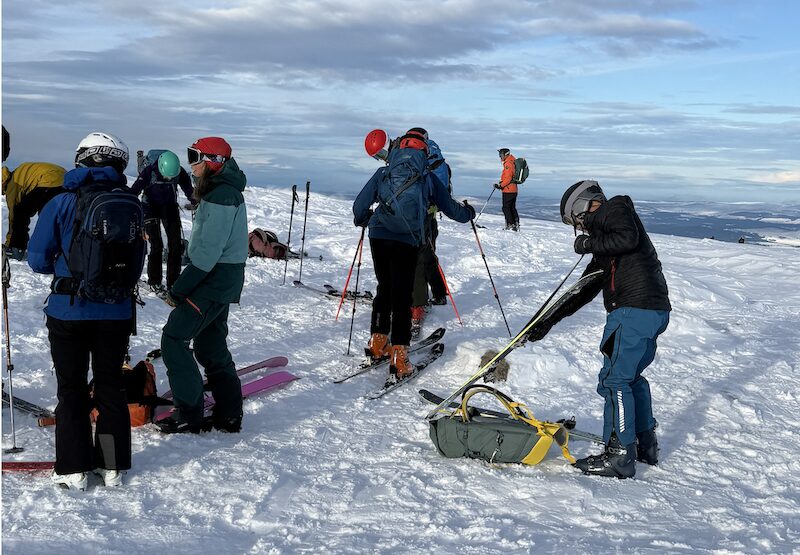
Be prepared to walk
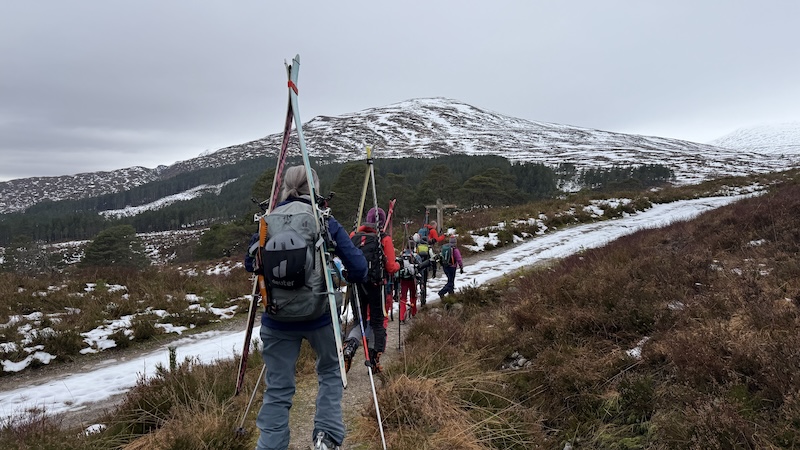
Sometimes you need to strap your skis on your pack and walk for a while to reach the snowline.
It can be very quiet
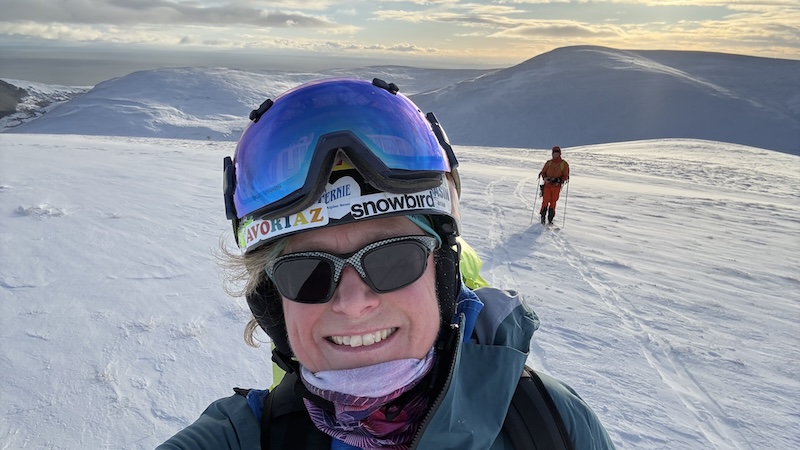
A benefit of skiing in stunningly remote and beautiful places in Scotland so often means amazing peace and quiet. Try to listen as you skin uphill to see what you can hear. Perhaps there will be the distant noise of a loud road vehicle, or the thrum of a helicopter or plane, but mostly it’s incredible silence.
But, it can be noisy, too
Skiing downhill on a ice, sastrugi, hard snow and then soft snow can be surprisingly noisy. I was struck by this on a recent ski tour of Ben Macdui and Cairn Gorm. While the morning of skiing uphill was generally peaceful, I found the noise of skiing downhill later on very loud!
It is often very beautiful
Scotland’s countryside at any time of the year is beautiful but, in winter, it is even more stunning, in my opinion. I love wide-sweeping views of hills and mountains covered in a blanket or snow.
It can be busy
As I have written above, the resorts can quickly fill up. Popular touring routes, such around the Cairngorms National Park and easily accessible mountains like Fionn Bheinn, will often attract many skiers.
I like seeing people out and about and enjoying Scotland’s great outdoors but if you prefer solitude you should try to be more imaginative with your skiing plans.
Days are short
In winter in Scotland, we have short days with much fewer hours of sunlight compared to the summer. Skiers should take this into account when making plans. It’s a good idea to carry a good quality head torch, too, in case you get caught out and the sun sets before you finish.
Life-threatening dangers
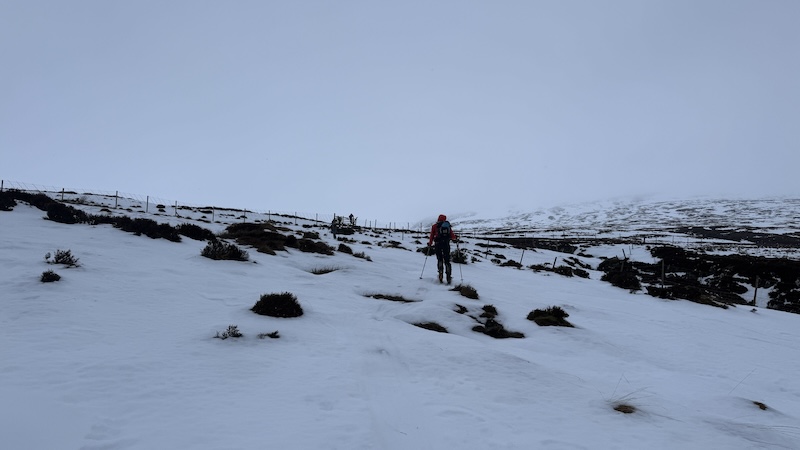
Our Scottish mountains are not particularly tall but there are some very steep slopes. Avalanches pose a very real danger, as do steep icy slopes. Overhanging snow cornices also pose a problem. It’s vital that skiers take note of know how to identify avalanche-prone slopes, how to avoid cornices and that they only ski slopes that their skills and competence are suited to. Sadly, people die in the Scottish mountains every year.
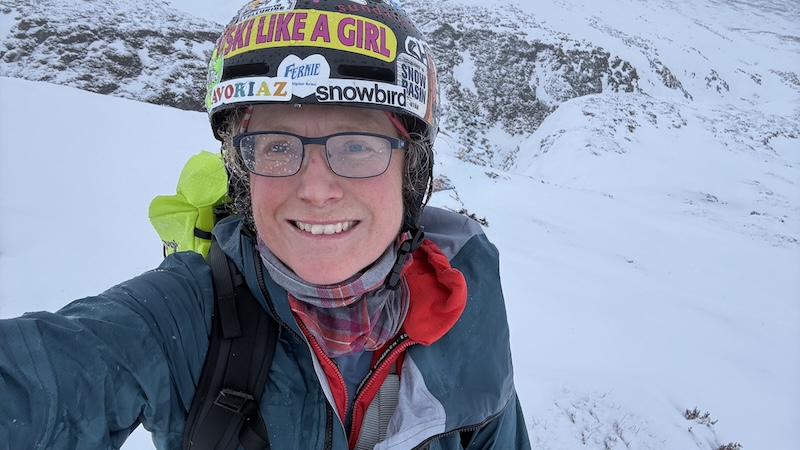
It’s all about ski days, rather than weeks
Skiing in Scotland tends to be day to day, rather than day after day. There are some years when it’s possible to ski a few days in one week thanks to good weather and snow conditions. However, the most common example is a day of skiing – hopefully bluebird – then a spell of poor weather or snow melt before the next day of skiing. That’s why flexibility is key to grabbing great ski days.
There’s more to the winter than skiing
If you see ski days in Scotland as a fantastic opportunity and something to be relished, rather than the norm then you will quickly realise that having a few other activities up your sleeve is the best way to go. If you can’t ski, you might be able to hike or run. If you can’t go high due to poor weather, there are still low-level outdoor opportunities.
Skiing in Scotland is never guaranteed but when it does happen, it feels all the sweeter simply because it is such a treat.
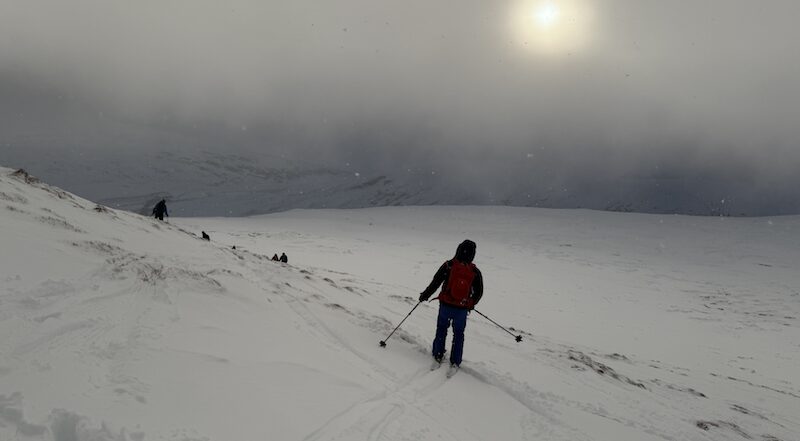
Skiing in Scotland is an adventure
If you think of skiing in Scotland as an adventure, rather than something prescribed and perfect, you will gain a better understanding. Even on poor weather days or when the snow has been very patchy, I’ve still enjoyed a social day out with like-minded people.