
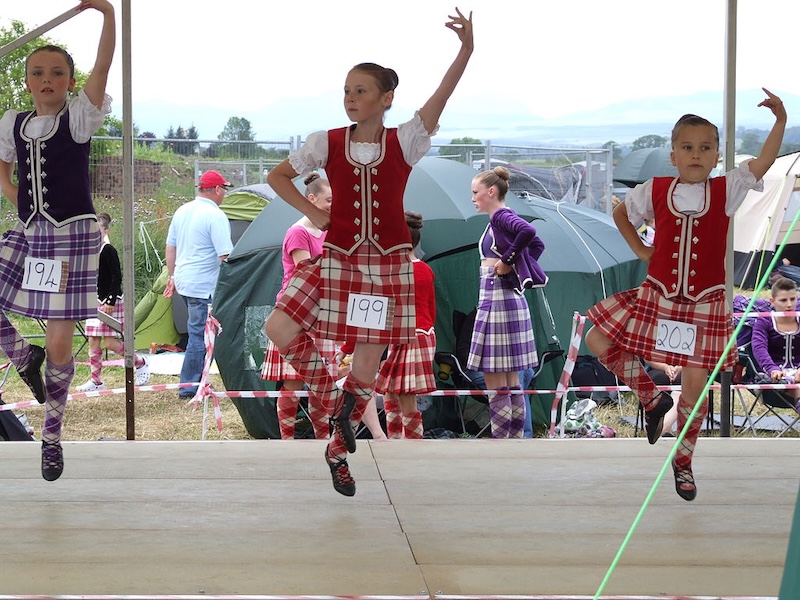
The Highland Games hold a special place in Scotland’s heart, and it’s not hard to see why. They’re part festival, part sporting event, part family day out and completely wrapped up in our sense of place. I’ve been to a fair few gatherings over the years and every time I’m struck by the same feeling: This is Scotland at its most alive. You can wander past a caber being hoisted upright, hear the pipes carrying across the field and watch a hill race set off towards a ridge that half the crowd has climbed themselves. It all blends together so naturally that it’s difficult to imagine the Games happening anywhere else.
The Challenge of Standardising Tradition
To enter the Olympic programme a sport needs consistent rules, defined equipment and a governing body that oversees international competition. The Highland Games, by contrast, often cherish local variation. A caber in Aberdeenshire may not be the same size or taper as one in Skye. Even the hammer differs between regions.
We’ve seen athletes turn up at small local gatherings asking, sometimes half-jokingly, “What size is it this year?” That level of charm is wonderful for spectators but it poses a major hurdle to formal recognition.
Olympic sports rely on complete standardisation and that’s something the Highland Games have not historically prioritised. It’s part of what gives them their magic but also part of what blocks them from meeting the criteria set by the International Olympic Committee.
Growing Global Appeal
Despite these obstacles the Highland Games have travelled further than many people realise. From the United States to New Zealand and across Europe, enthusiasts have created their own versions. Some international gatherings already mirror Scottish formats closely and attract strong fields of athletes. I’ve met competitors who spend their summers travelling from games to games in different countries, proving that the passion for these events isn’t limited to Scotland.
Global participation is one of the key elements the IOC looks for. The Highland Games are stronger on this front than many expect, yet they still lack a unified international structure.
Modern Engagement With Traditional Sport
One area where the Games have quietly shifted in recent years is how people follow them. Supporters now keep up with Scottish athletes through live streams, clips on social media and the usual swirl of online chat that builds around any good sporting event. I’ve even overheard people discussing caber-tossing form the same way they’d talk about a big rugby match. This broader digital interest has changed how fans engage with sport in general, stretching from casual streaming to online sports betting platforms that cover mainstream competitions. It shows just how much the habits of sports audiences are evolving, even when the sport itself remains rooted in long-standing tradition.
The Question of Athletic Fit
Many of the events already resemble Olympic sports. The hammer throw and shot put are obvious comparisons, though Highland versions demand different techniques and strength patterns. The caber toss would be the most iconic addition. It’s unique, visually dramatic and instantly recognisable, which Olympic broadcasters love. You can watch a world class heavy athlete toss a caber in a small village park and find it as gripping as anything I’d seen in a major stadium.
Yet for all its appeal, the caber toss would require strict standardisation. Every caber would need the same length, weight and balance so athletes from different countries could train on equal terms. That’s easier said than done, especially since cabers are traditionally made from local timber and shaped by hand.
Cultural Tension
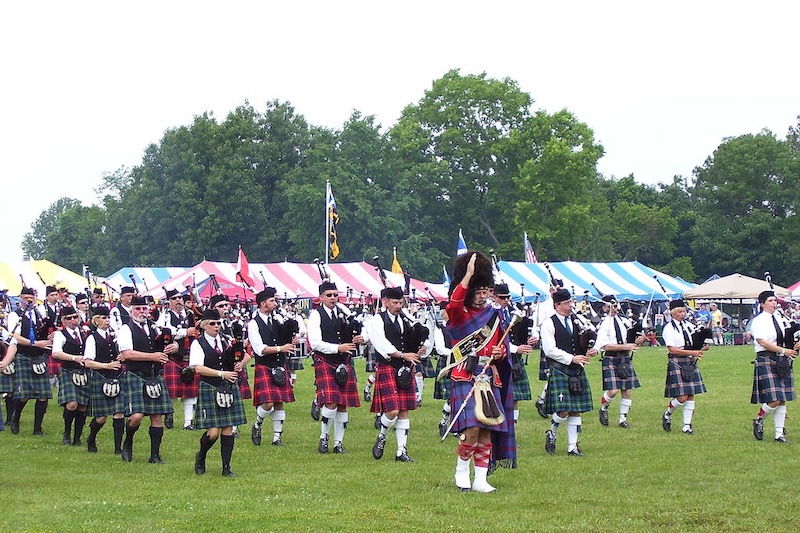
There’s also the question of identity. Would the Highland Games lose something if they became an Olympic showpiece? Many organisers and long-time participants worry that the charm comes from the combination of sport, music and community. I’ve always felt that the Games are at their best when you can hear a pipe band tuning up as the heavy athletes take their warm-up throws.
Turning the events into an Olympic discipline could risk stripping some of that away. The need for uniformity might push out the local quirks that make each gathering special.
What the Games Would Need
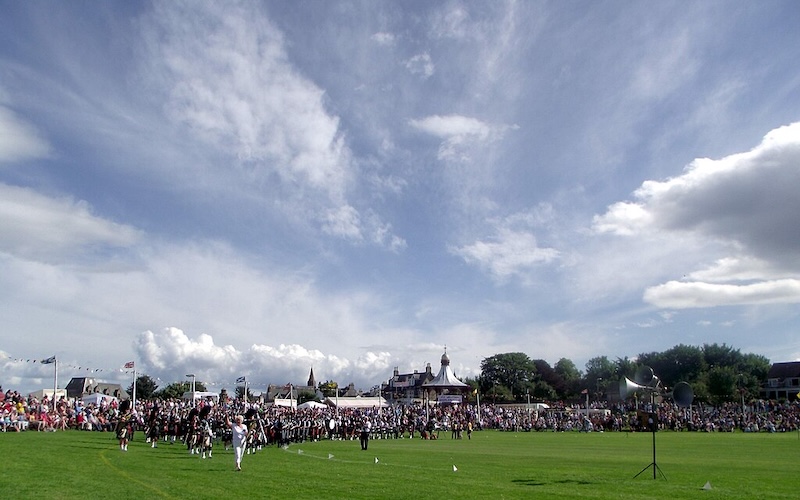
Olympic entry comes with strict conditions: International governance, standardisation, global reach and strong anti-doping controls. The Highland Games meet parts of this, albeit in a patchwork that has yet to be shaped into a single, international framework.
True Olympic ambition would require a concerted push from multiple countries, not just Scotland. That is possible, but it would need cooperation and investment on a scale the Games haven’t previously attempted.
A Future Worth Considering
Could the Highland Games ever reach the Olympics? Possibly. But doing so would require a shift from tradition to structure. Whether that’s desirable is another question and one that Scots and international fans may continue to debate.
I’ll admit to a certain ambivalence. There’s a romantic thrill in imagining the world watching athletes toss cabers against a backdrop of mountains, but the Games risk losing something in translation if forced into Olympic uniformity. Their personality comes from the small details — the regional quirks, the informal rivalries, the way a gathering feels stitched into its landscape. It may be that their future lies not in international standardisation but in continuing to charm the world on their own terms.
