
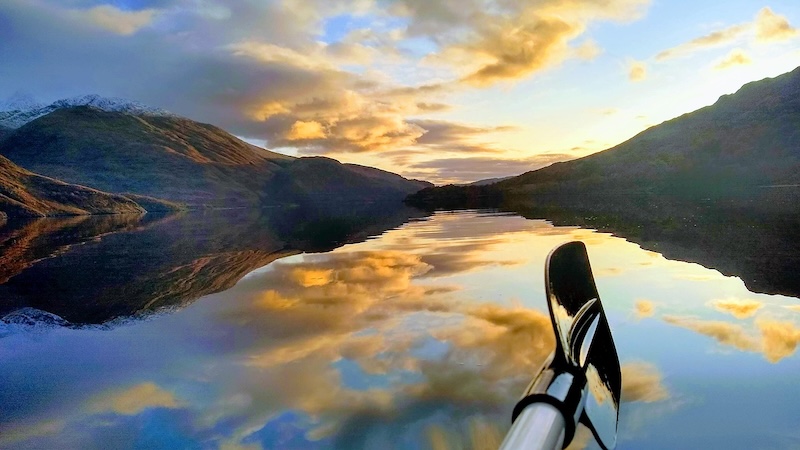
Scotland is world-famous for its rugged peaks and sweeping glens. The long and rugged coastline is also a huge attraction, especially for kayakers. Many kayakers enjoy kayak camping, which combines the physical endurance of a long-distance hike with the freedom of open water, allowing you to reach uninhabited islands and hidden beaches that are inaccessible by foot. This style of adventure requires a unique set of skills and a different approach to packing, but the reward is a sense of solitude that is hard to find on the popular mountain trails.
Selecting Essential Gear for Kayaking
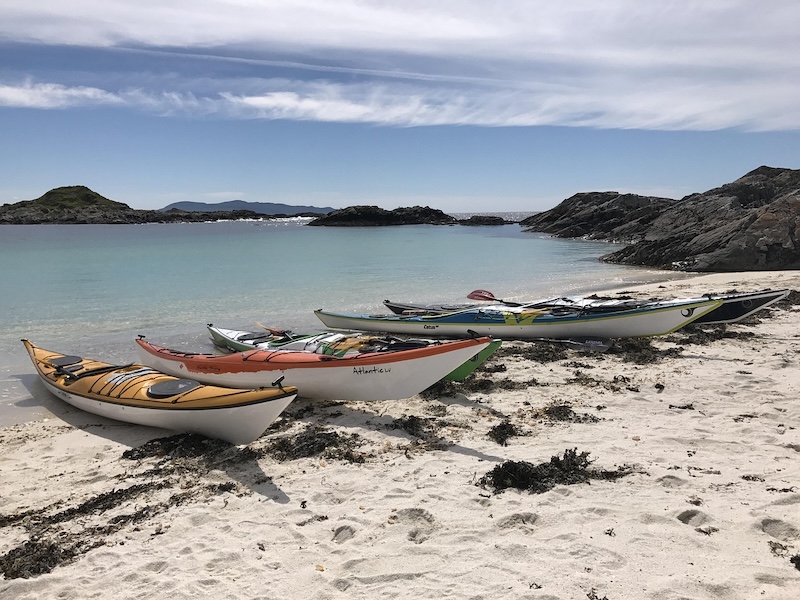
Choosing the right boat makes a massive difference when you plan to be on the water for multiple days. Sea kayaks are designed to handle rougher water and carry heavy loads, so they are the best choice for these expeditions. You generally want a boat with three hatches to separate your camping equipment from your day-to-day essentials. Plastic boats are durable and forgiving when landing on rocky shores, while composite boats are lighter and faster but require more care. Your paddle is just as important, so it is wise to invest in a carbon fibre model to reduce fatigue over long distances.
When the paddling stops, you need to be comfortable at camp. A good tent that can withstand high winds is necessary for the exposed Scottish coast. You also need to think about downtime, as you might find yourself weatherbound in a tent for hours. Weatherbound days are part of the Scottish experience, so having a way to pass the time is key. While many paddlers pack a paperback or a deck of cards, others rely on their smartphones when a signal drifts in from the mainland. You might find yourself scrolling through social media or looking at various online platforms. Some people simply end up glancing at the features of international gaming apps or even non UK sports betting sites to keep up with the latest fixtures and results for their home teams.
Reading Water Conditions
The sea is a powerful force, and understanding how it moves is the first step to a safe journey. Tides change every six hours, from high to low, creating currents that can either help you along or bring you to a standstill. You must learn to read tidal charts and plan your departure times to work with the flow of the water rather than fighting against it. Local knowledge is invaluable here, so speaking to other paddlers or consulting guidebooks about specific tidal gates and races is always a smart move.
Weather in Scotland changes fast, and the forecast you check in the morning might not hold true by the afternoon. Wind is the biggest factor for kayakers, as a strong headwind can make progress impossible and dangerous. You should always have a backup plan or a “get-out” point where you can land safely if conditions deteriorate. Checking multiple weather sources and understanding how the wind interacts with the local geography helps you make better decisions on the water.
Mastering Dry Storage
Packing a sea kayak is an art form that feels very different from loading a rucksack. You have to fit everything through small round or oval hatches, which means using many small dry bags instead of one large liner. Colour-coding your bags helps you find what you need quickly without exposing everything to the elements. You should pack heavy items like water and food close to the cockpit and low down to keep the boat stable in the water.
Keeping your sleeping bag and spare clothes dry is the top priority for morale and safety. Even with watertight hatches, it is best to double-bag these critical items. You will also need to be ruthless with your packing list, as space is limited and a heavy boat is harder to paddle. Dehydrated meals are a great way to save weight and space, leaving more room for luxuries like a small camping chair or a dram of whisky for the evening.
Observing Coastal Wildlife
One of the greatest joys of kayak camping is the chance to see wildlife from a low angle without the noise of footsteps. You might drift past seals basking on rocks or spot an otter hunting in the kelp forests. Otters are shy creatures, so if you stay quiet and keep your distance, you might be lucky enough to watch them for a while. Sea eagles are also a common sight in the Hebrides, often soaring high above the cliffs or perched on craggy outcrops.
You must always follow the code of conduct to protect these animals and their habitats. Seals need to rest on land to digest their food, so if they splash into the water as you approach, you are too close. Nesting birds are easily disturbed in the spring and early summer, so it is best to stay clear of islands where they are breeding. Leave No Trace principles apply strictly to the coast, meaning you should carry out everything you bring in and never light fires on vegetation or near peaty ground.
Building Physical Strength
Paddling a laden sea kayak for several days takes a toll on your body if you are not prepared. While your arms do some of the work, efficient paddling relies heavily on your core and back muscles. You can train for this by focusing on rotation exercises and general upper body conditioning before your trip. It is also helpful to practice wet exits and self-rescues in a controlled environment so you know what to do if you capsize.
On the trip itself, you should pace yourself and listen to your body to avoid injury. Taking regular breaks to stretch your legs and back will keep you fresh for the next leg of the journey. Hydration and nutrition are just as important on the water as they are on the hills, so keep snacks and water within easy reach on your deck. By managing your energy levels, you can enjoy the stunning scenery and the rhythm of the ocean without reaching the point of exhaustion.
Conclusion
Coastal kayak camping opens up a new world of adventure in Scotland. It allows you to see the country from a fresh viewpoint and visit places that few others ever reach. With the right preparation and respect for the sea, you can create memories that will last a lifetime. Whether you are skimming across a calm loch or pitching your tent on a deserted island, the connection to the wild is truly special.