
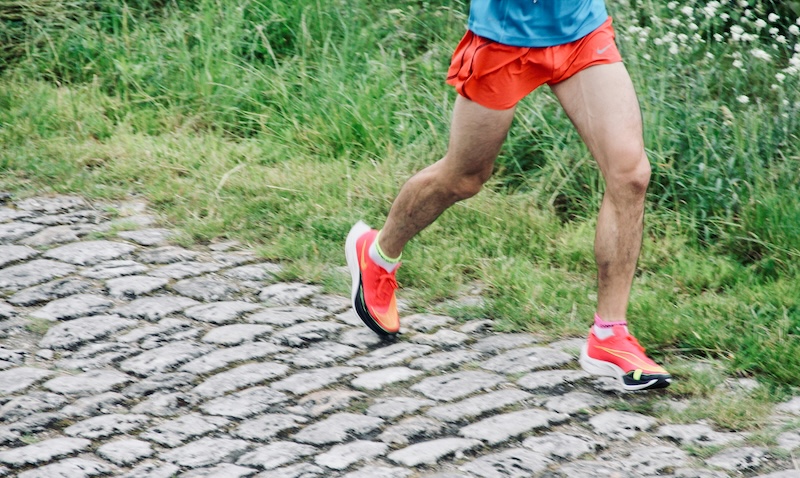
Staying active outdoors brings countless benefits. From better mood and energy levels to maintaining mobility, there’s plenty of motivation to keep going as the years pass. But physical changes are unavoidable. Aches last longer. Recovery stretches out. Certain concerns may surface that weren’t part of the picture before.
That doesn’t mean slowing down is inevitable. With awareness and some simple adjustments, it’s possible to continue enjoying the outdoors for decades. Many fitness goals remain well within reach, even if the route to them looks a little different than it did before.
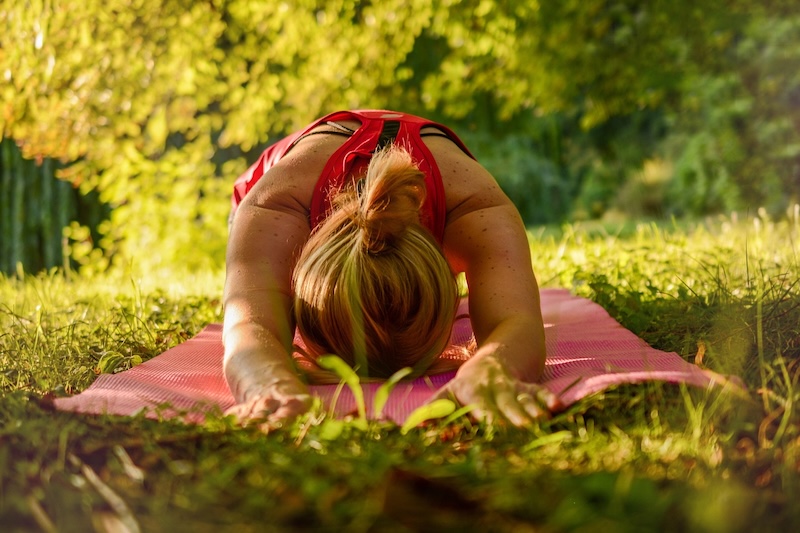
Recognising the Signs of Change as You Age
Everyone reaches a point where performance and recovery begin to shift. You might notice more stiffness after a long walk or feel unexpectedly tired after a short run. These signs are common. They’re not problems in themselves, but they do signal that the body needs more support.
Joint discomfort tends to increase gradually. Muscle soreness might linger longer than expected. Some people start experiencing dips in motivation or endurance. These changes can feel frustrating, especially when activity has been a consistent part of life.
For women, the menopause can lead to many issues that may not be expected.
Rather than ignoring these signs, it helps to pay closer attention. They may point to the need for more rest, a different training rhythm, or nutritional adjustments. Adjusting doesn’t mean giving up. It means allowing your body to keep going with fewer setbacks.

How Fitness Goals Can Evolve Over Time
Goals that once focused on speed or strength might shift towards maintaining energy and mobility. That’s not a step backwards, rather it’s a response to what your body needs to stay healthy and active. Some people find they gain more satisfaction from regular outdoor sessions rather than pushing to break personal records.
This shift opens up new opportunities.
Shorter walks can become more regular. Longer hikes might involve more breaks or different terrain. These changes help support consistency, which often matters more than intensity.
Staying engaged with the outdoors can still bring a strong sense of progress. Whether it’s building new routines or exploring different activities, adapting to new goals keeps things interesting and sustainable.
Health Concerns That Deserve More Attention
Some health topics don’t come up often in everyday conversations. This includes hormonal changes, such as those caused by menopause, emotional wellbeing and intimate health concerns. When activity levels drop or confidence takes a hit, these areas are worth looking into.
For men, erectile dysfunction can appear during midlife or later. It’s more common than many think, and while it might not be openly discussed on group walks or runs, it can affect quality of life, self-esteem, and even motivation to stay active.
It’s not always linked to a specific health condition. Stress, fatigue, medication, and circulation all play a part. Thankfully, there are treatments that can help, and they’re now easier to access than they once were.
Acknowledging these concerns isn’t always comfortable, but avoiding them often makes things harder. When issues are addressed early, it’s far more likely that outdoor activities remain enjoyable and part of a long-term routine.
Supporting Your Health Through Small, Consistent Actions
Long-term fitness isn’t built on intensity alone. Consistency matters, and that relies on recovery, rest, and daily choices. One of the most effective ways to support continued activity is to spread out effort across the week. That could mean combining strength training with walks or balancing trail runs with restorative movement like stretching.
Sleep becomes even more important. So does managing energy throughout the day. Skipping meals or pushing through fatigue can increase the risk of injury. Instead, focus on building habits that keep your body fuelled and your joints mobile.
Regular health checks and honest conversations with professionals go a long way, too. A small issue caught early is much easier to manage than one left unaddressed. This applies to everything from heart health to hormonal shifts to erectile dysfunction treatments that may be part of overall wellbeing for men.
Making Space for Recovery and Self-Awareness
Outdoor enthusiasts are often tempted to push through soreness or ignore signs of fatigue. While some discomfort is part of physical training, persistent symptoms need attention. Delayed recovery or mood shifts can signal an underlying issue.
Scheduling in lighter sessions or recovery days isn’t wasted time. It’s part of what allows the body to adapt and come back stronger. Recovery isn’t just physical either. Sleep, stress management, and social connection all support the kind of energy needed to keep moving.
Checking in with yourself regularly can prevent burnout. That might mean adjusting plans after a poor night’s sleep or replacing a run with a swim if your knees are acting up. These small changes help protect long-term fitness, especially for those who want to enjoy trails, hills, and swims well into their 60s and beyond.
Physical confidence doesn’t just apply to performance. It plays a role in how you feel walking into any situation. Taking care of your health in full, from digestion to sexual wellbeing, allows you to keep showing up with strength and assurance.
Keep Moving With Confidence and Clarity
Physical activity can remain a central part of life well beyond your 40s. The key is to adjust with intention. Staying aware of health issues that could influence how you move, rest, and recover makes a real difference.
You don’t have to face these changes alone. Practical steps, expert guidance, and informed choices keep you in control. The outdoors doesn’t lose its appeal as you age. With the right attention to your wellbeing, it can become even more rewarding.
Stay consistent, stay curious, and stay connected to what your body is telling you. Fitness isn’t a fixed target; it’s something you can build on, adapt, and enjoy at every stage of life.