
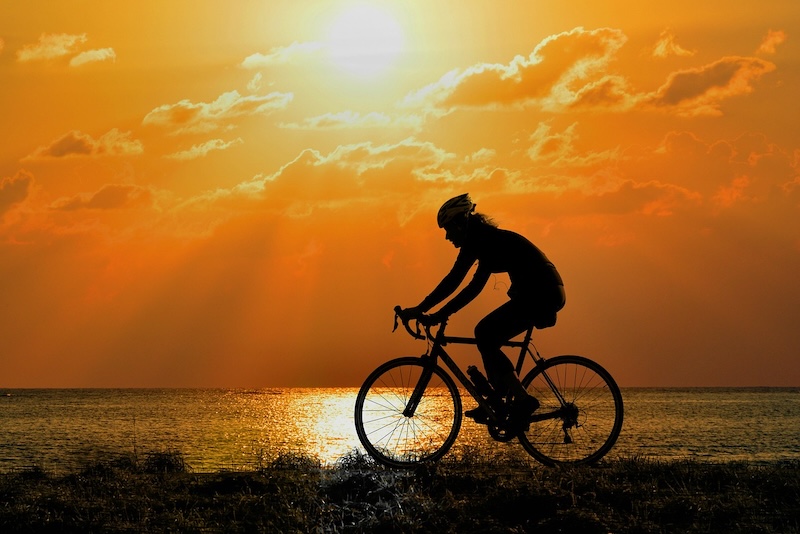
If you have ever shuffled the last few kilometres of a marathon, felt your calves scream on the final push to a Munro summit, or crept home from a long ride on tired legs, you know that fatigue is not just about fitness. The longer we are on our feet, the more strain we put on our muscles, joints and blood vessels, especially from the knees down. Gravity is constantly pulling blood towards your feet and lower legs, and as the hours tick by, that can add up to swelling, a heavy feeling and slower recovery.
Endurance runners, hillwalkers and cyclists all recognise the same pattern. The first hour feels light, then by hour three your stride shortens or your pedal stroke loses its snap. Often this is blamed on “weak legs”, but the story is usually more nuanced. Hydration, fuelling, pacing, footwear and lower-leg support each play a role in how fresh you feel at the end of a big day out.
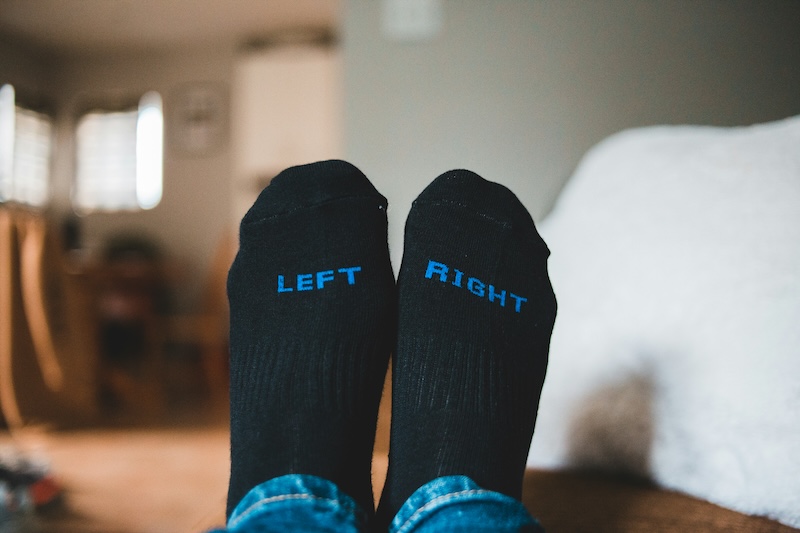
The science of circulation and why it matters outdoors
Every step or pedal stroke acts a little like a pump. When your calf muscles contract, they help push blood back up towards your heart. On long days that pump can become less efficient, especially if you are standing in one place, shuffling slowly uphill or sitting for extended periods such as during travel to an event or trailhead. The result can be pooling of blood in the lower legs, mild swelling and that familiar “lead-weight” feeling.
Graduated compression is designed as a quiet assistant to this system. Tighter at the ankle and slightly looser towards the knee, it gently encourages blood and lymphatic fluid to move upwards. Many runners and hikers now treat a good pair of performance compression socks as part of the same essential kit list as well-fitted shoes and technical layers, and brands such as STOX have built their reputation around this principle.

Who can benefit most from targeted leg support
The most obvious group is distance runners, whether that is road marathons, ultra-trail runs or back-to-back training sessions. Long hikes with sustained ascent and descent, multi-day treks and big backcountry ski days also place a high load on the calf complex and shins. Cyclists who spend hours spinning in a relatively fixed position often report that their legs feel fresher when they support their lower legs, especially on cooler days when circulation can be slower.
There is another, often overlooked, audience too. Anyone who combines endurance sport with long periods of sitting or standing at work, or who travels by car, train or plane to reach events, is dealing with a double challenge. The transition from cramped seats to high-output efforts is exactly where circulation and lower-leg care can make a noticeable difference.
Smart strategies to keep your legs feeling lighter for longer
No single piece of kit replaces thoughtful training, but a few simple practices can transform how your legs feel during and after long efforts. Most are easy to adopt and cost little, beyond attention and consistency. The key is to think about leg care as part of your whole outing, not just what happens once you lace your shoes.

Train your calves as carefully as your quads
It is easy to focus on big muscle groups like glutes and quadriceps and forget the smaller engines in the lower leg. Strong calves and feet improve your push-off, protect the Achilles and can reduce the risk of niggles such as shin splints. Two or three times a week, add calf raises on a step, single-leg balance work and light plyometric hops to your routine. Build up gradually instead of making a sudden leap in volume so your tendons and muscles have time to adapt.
Trail runners and hillwalkers benefit particularly from eccentric calf exercises, where you slowly lower your heel below the level of a step. This mimics the controlled braking action you rely on during long descents, when fatigue can easily lead to overstriding and sore shins. Strong calves do not just feel better in the moment; they also help you recover faster between big days.
Use compression tactically on and off the hill
Compression does not need to be worn around the clock to be useful. Many endurance athletes find they prefer a targeted approach. Some wear compression socks during long efforts, others reserve them for travel or post-session recovery. The right choice depends on how you personally respond to the snug fit, the climate you are training in and the demands of your event.
For example, if you are running a hilly marathon that finishes with a long downhill section, wearing compression from the start might help keep calf oscillation in check, which can reduce muscle soreness later. On a hot ultra, you might choose a lighter sock for the race itself, then change into a pair of compression socks for women or a unisex model immediately afterwards to support recovery on the journey home.
Everyday habits that support long-term leg health
Big days in the mountains or on the road are the fun part; the quieter hours in between are where much of your leg health is built. The way you sit, stand, sleep and fuel yourself has a surprisingly strong effect on how your calves and feet respond to the next challenge you set them. Treat these habits as small investments that pay off when you are three quarters of the way through a demanding route.
Move often, even when you are resting
Complete stillness might feel appealing after a tough race or training block, but your circulation thrives on gentle movement. Short, frequent walks, easy spins on the bike or a light swim help flush metabolic by-products from tired muscles and keep your joints mobile. Think in terms of “active rest” rather than pure inactivity. If you work at a desk, set a timer to stand up at least every hour and do a quick ankle roll or calf stretch.
Travel days deserve special attention. Break up long drives with brief walking breaks and simple leg swings in a lay-by. On trains and planes, flex and extend your ankles, lift your heels and take any opportunity to stand in the aisle. These tiny movements support the same upward flow of blood and fluid that compression assists, and they stack up over the course of a journey.
Fuel, hydrate and shoe-fit for happier lower legs
Hydration is not just about avoiding a dry mouth. When you are even mildly dehydrated, your blood volume drops, your heart works harder and your legs often feel heavier. Sip water regularly on and off the hill, and remember that electrolytes can be as important as fluid if you are sweating heavily. Adequate carbohydrate intake before and during long outings delays the moment your muscles start to feel empty and helps prevent form from breaking down.
Footwear is the final piece of the puzzle. Shoes that are too tight can restrict circulation and contribute to swelling, while overly loose footwear encourages your feet to move around, which can lead to blisters and hot spots. If you plan to wear thicker socks or compression on race day, include them in your shoe fitting and in your longest training sessions so you know exactly how your feet and lower legs will feel when the real adventure begins.
Listening to your legs as your best guide
Every athlete and outdoor enthusiast responds slightly differently to long hours on their feet. Some people notice dramatic benefits from lower-leg support and gentle compression, while others rely more on strength work, careful pacing and recovery routines. The most important skill you can cultivate is the ability to tune in to your own body’s signals and adjust accordingly.
If your calves feel consistently heavy, experiment with one variable at a time. Try a fortnight of focused calf strengthening, a block where you prioritise better sleep, or a specific period when you pay extra attention to hydration and leg movement on rest days. Keep a simple training diary and note how your legs feel during and after long efforts. Over time, those notes will reveal patterns that help you build a personal toolkit for lighter, stronger miles on every kind of terrain.