
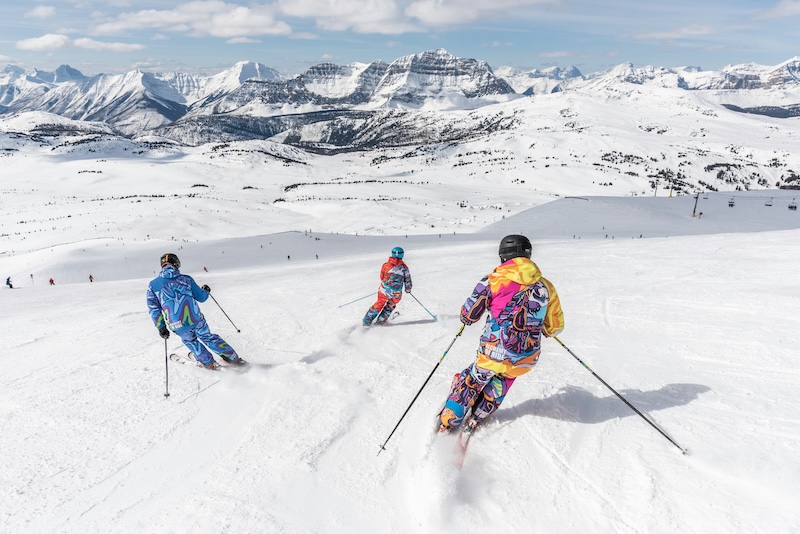
If you’ve always fancied swapping muddy boots for snowy ones, a winter sports adventure is a brilliant place to start. The mountains provide a unique kind of reset that a beach holiday can’t quite match. Whether you’re dreaming of your first skiing turns on gentle slopes or just curious about what actually happens on a cold-weather escape, planning your trip doesn’t have to be overwhelming.
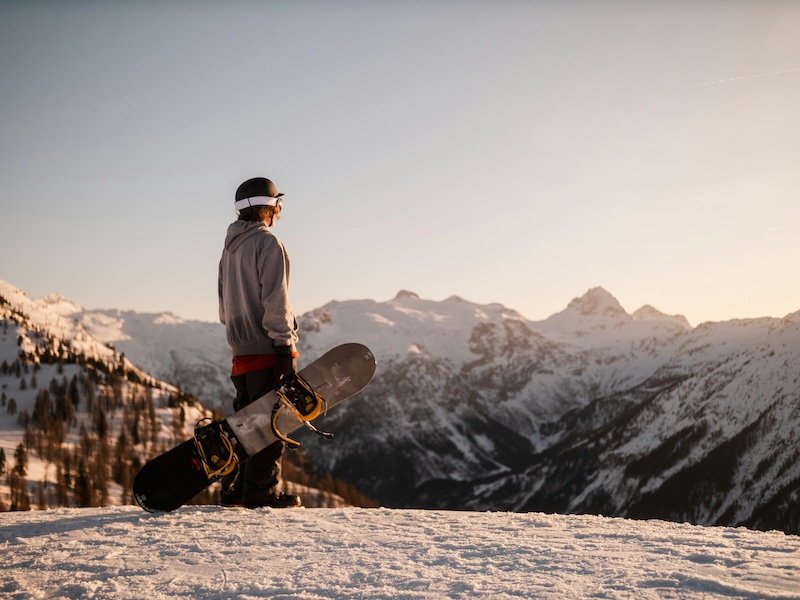
Choosing the Right Winter Sport
Newcomers should consider the most accessible winter sports, such as skiing, snowboarding and snow-shoeing. These kinds of sports will help you figure out which is best for you in terms of confidence, fitness, and sense of adventure.
While skiing is often seen as easier to pick up initially (the “pizza slice” wedge being the universal first lesson), snowboarding offers a different kind of flow once you find your balance.
There has been a recent surge in interest in ski holidays and other alpine breaks, partly inspired by the excitement surrounding the Milano Cortina 2026 Winter Games. This heightened interest has led more resorts to invest in beginner-specific infrastructure, making it a better time than ever to take the plunge.
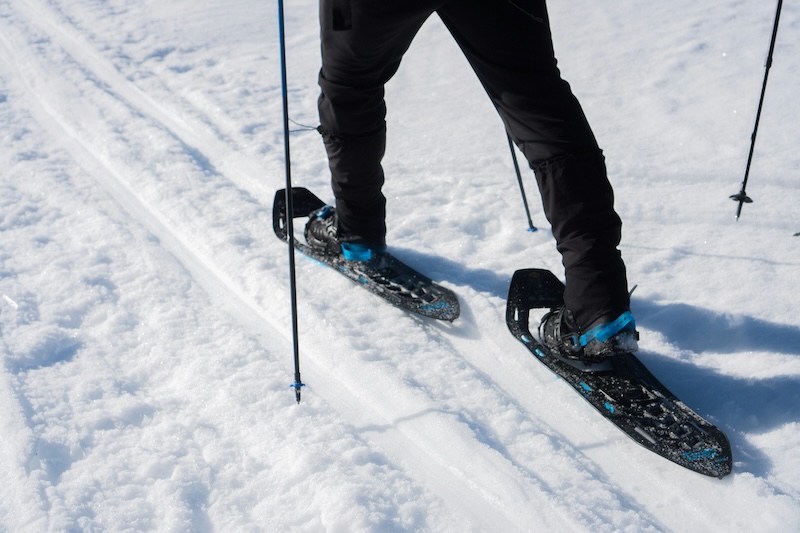
Snow-shoeing can be more accessible, especially if you go on a guided tour.
Planning the Practicalities
Timing and transport are key to a stress-free first trip. Beginners should consider going during shoulder seasons, such as early January or mid-March, when the weather and conditions are still good, but the slopes are likely to be quieter and prices are friendlier.
Compare different travel options too. While flying is common, many Brits are discovering that hopping on the Eurostar to the French Alps is a more relaxed way to travel and often offers more generous luggage allowances for bulky gear. Be sure to budget realistically for lift passes and mountain lunches, which can be pricey. If you’re looking for cheaper alternatives, consider resorts in Bulgaria or Andorra, which are beginner-friendly and often offer fantastic value for those just starting out.
Gear Up
For safety reasons, there are some non-negotiable pieces of kit you may need. This includes a well-fitting helmet, goggles to protect against snow blindness on bright days, and supportive boots. If you’re new to the sport, renting equipment like skis or boards once you’re at the resort is definitely the best option. It lets you try high-quality gear without the commitment of buying.
For clothing, think in layers. You’ll need a moisture-wicking base layer, a warm mid-layer (like a fleece), and a waterproof outer jacket and salopettes (ski trousers). Don’t forget high-quality SPF, as the sun is surprisingly strong when reflected off the snow.