

At some point every golfer will need a set of their own clubs. The choice of what to put in the bag depends on the handicap, frequency of play, ambition, budget and physical attributes. The desire to imitate the setup of a tour professional, or even just buy what the sales clerk recommends, overlooks them almost entirely. Golf club sets should be selected with the person in mind, and to do it right, one has to know what type of player they really are.
The Complete Beginner
A forgiving, consistent setup is more beneficial to someone just starting in the sport than a complicated one. A half-set of seven or eight clubs, typically the odd irons, two or three wedges, a hybrid or two, and a driver, will impart the principles without overpowering. Cavity-back, wide-soled irons, which allow the ball to fly into the air easily, allow a beginner to succeed within a short period. Success at an early age keeps an individual in the sport long enough to become skilled.
The High-Handicapper Building Consistency
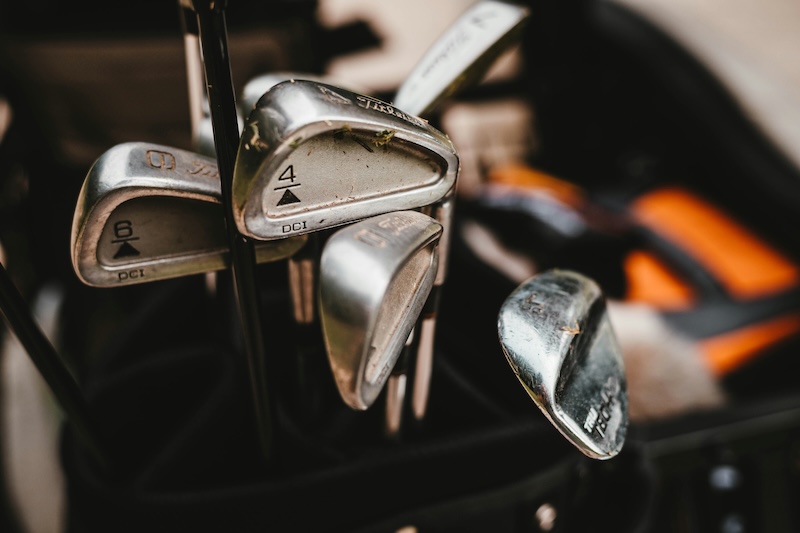
Players whose handicaps exceed 20 are still practising contact quality and directional control. A complete set of game-improvement irons with high launch characteristics works well at this stage. Hybrids are replacing long irons and are much easier to use. The wide misses that are characteristic of this stage of development are corrected by a forgiving driver with a modest loft.
The Mid-Handicapper Finding Their Ceiling
Players with handicaps of 10 to 18 have often acquired a steady ball-striking pattern, but they are beginning to expect more from their equipment. This is when transitional irons, sometimes known as players’ distance irons, come into action. They are more workable than pure game-improvement solutions while yet providing enough leniency to handle the occasional mishit. Wedge selection becomes more important at this point since the short game is where true scoring improvement occurs.
The Single-Figure Player
A golfer with a five-handicap or lower has swing characteristics that require precise equipment matching. Players’ cavity or muscle-back irons reward clean contact with increased feel and trajectory control. Shaft specs, lie angles, and grip thickness should all be tailored to the individual rather than selected off the shelf. The driver setup also becomes more sophisticated, with customisable elements utilised to fine-tune launch angle and spin rather than simply leaving them at their factory settings.
The Competitive Club Golfer
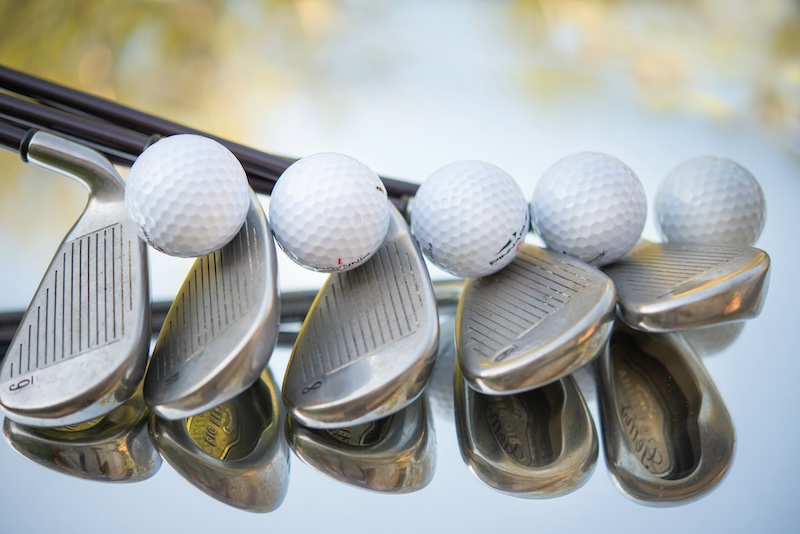
At the competitive level, the margin for equipment-related mistakes shrinks significantly. Every club in the bag must consistently fulfil a specific duty. Gap coverage between irons and wedges should span the whole yardage range. The driver and three-wood should complement one another in distance and shape, offering the player options off the tee while minimising inconsistency. Professional fitting is not an option at this level. This is the starting place.
The Casual Weekend Player
A golfer who plays once a fortnight for enjoyment rather than to improve his score has different priorities. Playability, ease, and fun are more important than workability and accurate distance gaps. The majority of what this golfer requires is a strong pair of game-improvement irons, a dependable driver, and a putter they can trust. Investing much in wedge variety or specific shaft configurations yields diminishing rewards for someone seeking a pleasurable Saturday morning rather than a lower handicap.
Senior Golfers and Adjusted Specifications
Swing speed naturally declines with age; equipment should adapt accordingly. Senior-flex shafts assist in keeping distance by optimising energy transfer from a slower swing. Higher-lofted drives and fairway woods help you get the ball airborne. Lighter overall set weights lessen physical fatigue during the round. These aren’t concessions. They are logical changes that keep the game enjoyable and the scoring reasonable.
The Budget-Conscious Player at Any Level
A well-chosen previous-generation set from a respectable manufacturer exceeds a current budget set in practically every category. Technology does not become obsolete the instant a new model is released. Choosing last year’s mid-tier option from a reputable manufacturer and having it correctly fitted results in outstanding performance at a fraction of the advertised price. The fitment is more important than the release year.
Putting the Collection Together Thoughtfully
The ideal golf collection is neither the most expensive nor the most equipment-dense. It is the one that is appropriate for the player’s current stage of growth. Honest self-assessment of current ability, realistic desire for where the game is going, and prudent financial allocation all contribute to a collection that actually fosters improvement rather than simply filling a bag.