
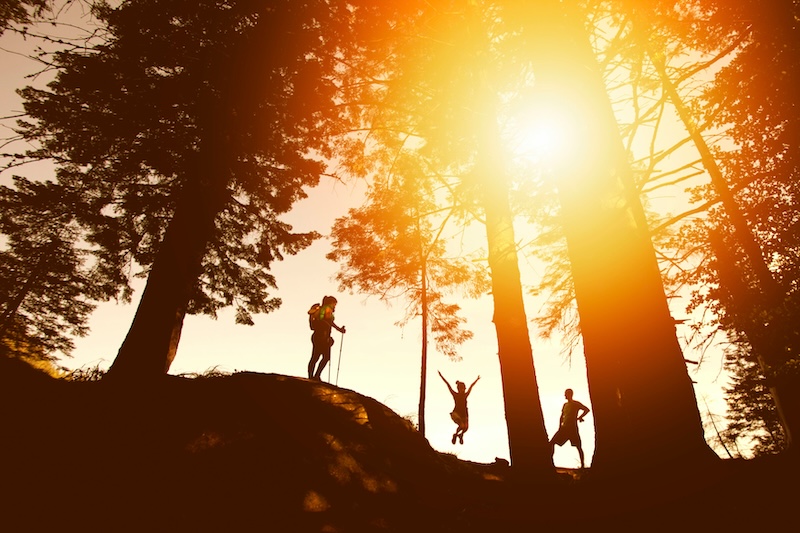
We all know the feeling. You’ve been staring at a screen for hours, the sun is shining outside and you feel a distinct urge to get away from it all. There is nothing quite like the fresh air to reset your mind and wake up your body. Whether it’s the sound of wind in the trees or the satisfaction of reaching a hilltop view, spending time outside offers incredible mental and physical benefits.
However, actually getting out there can sometimes feel like a hurdle. Between worrying about the unpredictable British weather, figuring out where to go and wondering if you have the right kit, it’s easy to put it off.
Here is the good news: Enjoying nature doesn’t need to be complicated. You don’t need to be a survival expert or have a garage full of expensive gadgets to have a brilliant time. This guide is all about stripping back the complexity and focusing on what matters—having fun, staying comfortable, and making memories.
Start Small and Keep It Simple
One of the biggest mistakes enthusiastic beginners make is trying to do too much, too soon. If you haven’t hiked before, or in years, planning a three-day wild camping expedition in the Highlands might be a recipe for stress rather than relaxation.
The secret to building a lasting love for the outdoors is consistency over ambition. Start with what is on your doorstep. Local parks, nearby woodland trails, or well-marked coastal paths are fantastic places to begin. These “micro-adventures” require less planning and less travel time, meaning you can fit them into a regular weekend morning.
Once you feel confident on shorter walks, you can gradually increase the distance or try different terrain. By starting small, you build your fitness and your confidence naturally. The goal isn’t to conquer a mountain immediately; it’s to enjoy being outside.
Choose the Right Outdoor Equipment
There is an old saying that there is no such thing as bad weather, only unsuitable clothing. While that might be a slight exaggeration during a torrential downpour, there is a lot of truth to it. Being comfortable is the foundation of a good trip. If you are cold, wet, or your feet hurt, you aren’t going to enjoy the view.
You do not need to buy the most expensive gear in the shop, but you should choose your outdoor equipment wisely. Focus on the “big three” for personal comfort:
- Footwear: Sturdy walking boots or trail shoes are essential. They protect your ankles and keep your feet dry.
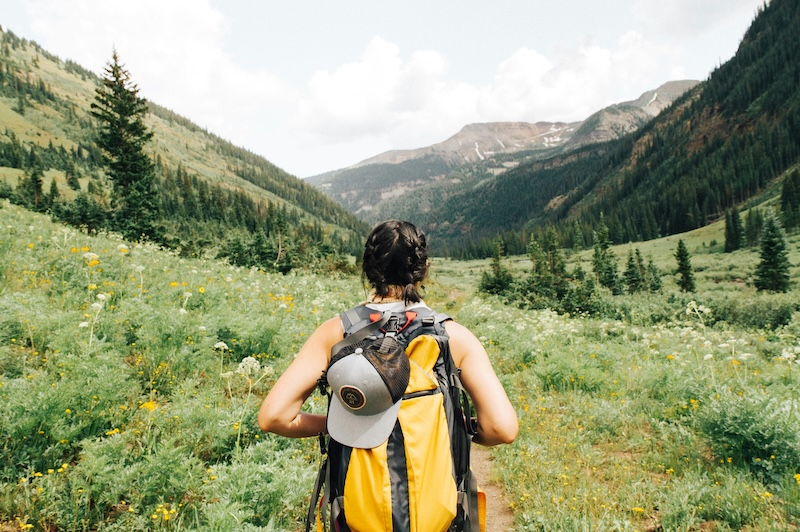
- Backpack: A bag with decent support will save your shoulders from aching, even on short walks.
- Waterproofs: In the UK, a reliable waterproof jacket is non-negotiable.
It is better to invest in a few pieces of reliable outdoor equipment rather than buying a car boot full of gadgets you will never use. Quality gear lasts longer and performs better when you really need it. Think of your gear as a toolkit – you only need the tools that help you stay safe and warm.
Make Food Easy and Enjoyable
Food is often the highlight of any trip. Everything tastes better when eaten outside, whether it’s a simple sandwich on a park bench or a hot meal on a camping stove. However, nobody wants to spend their relaxation time scrubbing pots or carrying heavy bags of fresh ingredients.
This is where smart choices make a huge difference. For longer hikes or camping trips, freeze dried meals are a game-changer. These meals are incredibly lightweight, which keeps your pack manageable, and they are designed to be convenient. You usually only need to add boiling water, wait a few minutes, and you have a hot, nutritious meal ready to eat.
Using freeze dried meals also drastically reduces clean-up time, as you can often eat straight from the pouch. This leaves you more time to relax by the campfire or watch the sunset. You can combine these convenient main meals with simple, high-energy snacks like nuts, flapjacks, and fresh fruit. Keeping your menu simple means less stress and more enjoyment.
Plan, But Don’t Overplan
A little preparation goes a long way, but rigidity can kill the fun. You want to be safe, but you also want the freedom to explore.
Effective planning focuses on the essentials. Always check the weather forecast before you leave – and check it again on the morning of your trip. British weather changes fast, and knowing a storm is rolling in allows you to change your route or bring an extra layer.
You should also have a rough idea of your route. Using apps like OS Maps or AllTrails is brilliant for finding UK walking routes, but carrying a physical map is a good backup in case your battery dies. Tell someone where you are going and when you expect to be back.
Once the safety checks are done, allow yourself some flexibility. If you find a beautiful stream, stop for a paddle. If the hill looks too steep today, take the lower path. The itinerary is there to guide you, not rule you.
Dress for the British Weather
If you wait for a perfectly sunny day in the UK, you might never go outside. Learning to dress for the conditions is a superpower for hikers and campers.
The key is layering. Instead of one huge coat, wear several thinner layers. A base layer wicks sweat away from your skin, a mid-layer (like a fleece) traps warmth, and your outer shell keeps the wind and rain out. This system allows you to add or remove clothing as you warm up from walking or cool down during a lunch break.
Never underestimate the importance of socks. Wet or rubbing socks cause blisters, which are the quickest way to ruin a walk. Carry a spare pair in your bag; changing into fresh, dry socks halfway through a wet day feels like magic.
Make It Social (If You Want To)
For some, nature is about solitude and silence. For others, it’s a shared experience. If you are struggling for motivation, making your outdoor activities social can be a great push.
Joining a local rambling group or walking club is a fantastic way to meet like-minded people and discover new routes you might not have found on your own. For families, outdoor adventures are a brilliant way to reconnect away from tablets and televisions. Building a den in the woods or cooking sausages on a camping stove creates memories that kids remember far longer than a video game.
Respect Nature
Finally, enjoying the outdoors comes with a responsibility to protect it. The “Leave No Trace” principles are the golden rules of the outdoors.
It is simple: Leave the place exactly as you found it, or better. Take all your litter home with you. This includes fruit peels (which take a long time to decompose) and the packaging from your snacks or freeze dried meals.
Respecting nature also means being considerate of wildlife and other people. Keep noise levels down, close gates behind you, and don’t disturb animals. When we treat the outdoors with respect, we ensure it stays beautiful for everyone to enjoy for years to come.
Conclusion:
Spending time outdoors shouldn’t feel like a military operation. It is about fresh air, movement, and a break from the daily grind. By stripping back the complications and focusing on the basics – comfort, preparation, and mindset – you can transform your experience.
Remember that having the right outdoor equipment ensures you stay dry, and simple food solutions like freeze dried meals keep you fuelled without the fuss.
So, why not look at the forecast for this weekend? Pick a local trail, pack a bag, and just go. It really is that simple.