
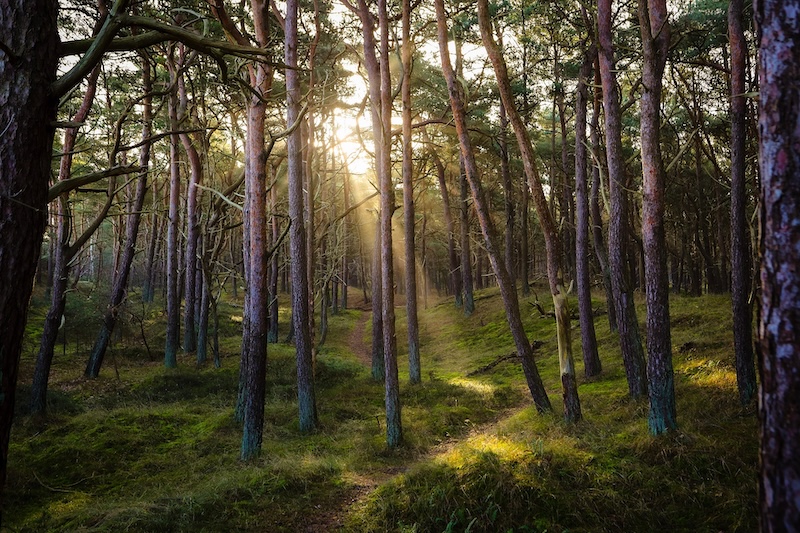
Nowadays, most people spend their time indoors. Between work, errands and the constant pull of screens, it’s easy for time outside to slip further and further down the priority list. And the tricky part is that people don’t always notice how much they miss it. Fresh air, quiet green spaces and open skies often disappear from daily routines so gradually that the absence feels normal. Yet that growing disconnection from nature can quietly affect mood, energy levels and overall mental health.
The good news is that reconnecting with nature doesn’t require dramatic lifestyle changes or intense outdoor activities. You don’t need to start hiking mountains or training for endurance challenges. Gentle experiences such as sitting beside water, visiting local parks or simply spending a little more time in the natural environment can make a real difference.
Below, you’ll find simple and low-effort ways to reconnect with nature and spend more time outside, even if you’re starting from a mostly indoor routine.

Participate in Gentle Outdoor Experiences
For people who spend most of their time indoors, beginning with low-effort outdoor activities can make the transition much easier. Quiet, scenic experiences allow you to enjoy fresh air without feeling pressured to stay active the entire time.
Historic cities often offer peaceful ways to connect with nature without strenuous movement. For instance, visitors exploring Cambridge can enjoy calm riverside scenery and traditional waterways that flow through the city. One relaxed option is taking a punting tour of Cambridge, where you glide along the River Cam while enjoying views of historic architecture and surrounding greenery.
Experiences like this offer a calm introduction to outdoor environments. You remain seated while still experiencing water, trees, and open sky. Gentle outings also help develop stronger nature connectedness over time.

Explore Local Parks and Green Spaces
Public parks provide one of the easiest ways to reconnect with nature without changing your daily routine too much. Many towns and cities contain accessible green spaces where you can slow down, breathe fresh air and step away from crowded indoor settings.
You might start with a 10-minute walk around a nearby park during lunch breaks or early evenings. Even sitting on a bench while watching birds or trees move in the wind helps your mind reset. These quiet interactions gradually strengthen your awareness of the natural environment.
Urban areas increasingly recognise the value of accessible urban nature. Green corridors, small woodlands, and tree-lined pathways give people regular access to outdoor settings. These urban spaces support both wildlife and human well-being.
Overall, small habits such as walking through green spaces on the way home or choosing outdoor seating at a café allow you to connect with nature without restructuring your entire schedule.
Enjoy Calm Water Environments
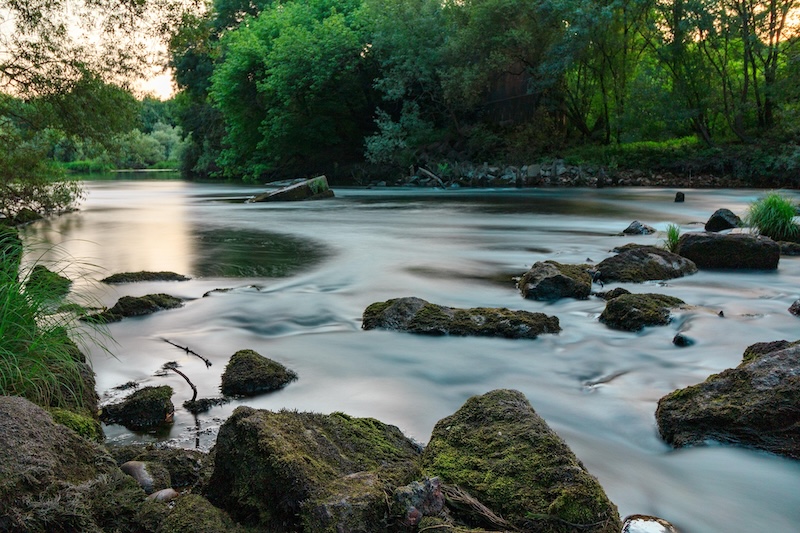
Water has a naturally calming influence on many people. Lakes, rivers, canals, and coastal paths often provide peaceful surroundings that encourage slow movement and quiet reflection.
Spending time near water allows you to experience blue spaces while remaining physically relaxed. Sitting beside a riverbank or harbour can create a strong sense of calm. Gentle sounds of moving water often reduce tension and encourage deeper breathing.
Some areas now integrate water management with environmental projects. Natural flood risk management initiatives, for example, restore wetlands and riverbanks to help control flooding while supporting wildlife habitats. These restored landscapes also provide attractive areas for walking and relaxation. Visiting these environments regularly allows you to reconnect with nature while enjoying the slower rhythm that water landscapes often provide.
Discover Quiet Nature Practices
Not every outdoor activity requires movement. Some practices focus on observation and mindful awareness of the surrounding environment.
Forest bathing, sometimes called forest baths, involves slowly walking through wooded areas while paying attention to sounds, scents, and natural textures. The practice encourages deeper engagement with the natural world without turning the experience into exercise.
Activities such as sketching landscapes, observing wildlife, or collecting natural pigments from plants and soil can also deepen your appreciation for nature. These quiet activities allow you to slow down and interact with your surroundings in creative ways.
Grow Small Pieces of Nature at Home
Outdoor time becomes easier when nature is present in everyday living spaces. Even small gardening projects can help strengthen your connection with the environment.
A simple windowsill herb garden offers a good starting point. Herbs require minimal care and provide visible growth that reminds you of natural cycles. Watching plants develop from seedlings to mature leaves creates a quiet sense of satisfaction.
Many neighbourhoods also support community gardens where residents grow vegetables, flowers, and herbs together. These shared spaces help people connect with nature while also building local relationships.
Community gardens bring the natural world closer to urban environments. They allow people to experience seasonal changes, soil care, and food cultivation even in densely populated areas. Overall, these small steps make it easier to reconnect with nature while staying close to home.
Turn Nature Into a Regular Habit
The greatest benefit comes from making outdoor time a regular part of daily life rather than a rare event. Short, consistent visits to parks, riversides, or gardens gradually rebuild your relationship with the natural environment.
You might begin with two short outdoor breaks each week. Over time, these visits may grow into longer walks, visits to nature reserves, or quiet weekends in the countryside.
Regular outdoor exposure also supports physical health by encouraging gentle movement and fresh air. When you consistently connect with nature, you begin noticing seasonal changes, wildlife activity, and weather patterns that often go unnoticed during indoor routines. These small observations strengthen your sense of belonging within the natural world.
Takeaway
Rebuilding a relationship with nature does not require dramatic lifestyle changes. Small steps such as visiting parks, sitting beside water, or trying forest bathing can gradually strengthen your connection with the natural environment. Over time, these simple habits help transform occasional outdoor visits into a lasting and rewarding part of everyday life.