
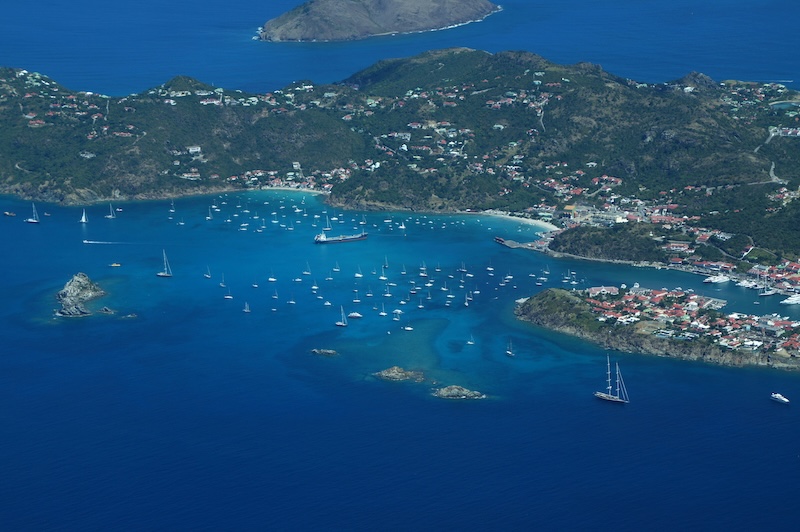
Are you longing for a more relaxed lifestyle that involves shorter commutes and less traffic, and also enables you to enjoy more time for yourself? St Kitts attracts travellers and families looking to make that change without giving up modern conveniences or the ability to stay connected.
This Caribbean island might be small, but it’s far from isolated. With international flights, reliable fibre internet in key areas and a tourism-driven economy supporting restaurants, healthcare and private schools, you can stay connected to the world while enjoying a simpler daily routine.
The beauty of St Kitts is just part of its charm. Living here also comes with financial advantages, better travel access and long-term benefits. Learning more about these details can help you decide if this island is the right fit for you.
Five reasons St Kitts stands out for a more relaxed lifestyle
Before you decide to move, it helps to know what everyday life is really like. Let’s look at the practical things that will shape your experience on the island.
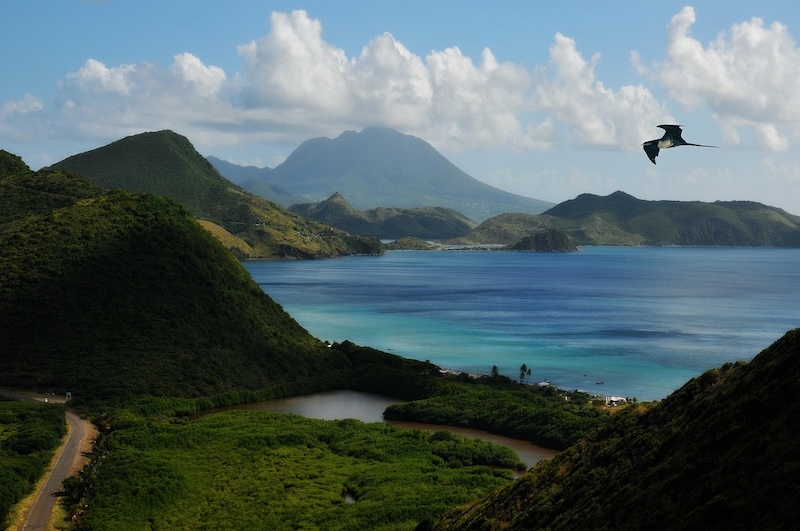
A Legal Pathway to Long-Term Residency
Moving to St Kitts can start with residency and could lead to creating permanent ties if you choose to stay. Owning property or investing in a business can help support your residency application. Once approved, you can live on the island without the hassle of constantly renewing visas.
For those seeking long-term security, the Citizenship by Investment St Kitts programme offers a path to full citizenship. This can be achieved through a qualifying contribution or by purchasing real estate. Starting in 2024, the minimum investment for a single applicant begins at $250,000 through the government fund option, while real estate investments start at $400,000 in approved developments.
This program is ideal for travellers who value flexibility. You can keep your main home elsewhere while gaining a second citizenship that offers expanded travel opportunities and future relocation options. Plus, you can include family members in one application, making it easier to plan for future generations.
A manageable cost of living compared with major cities
The cost of living is far more manageable compared to major cities, including the cost of food. While imported goods can be pricey, you can save money by buying fresh, local produce and seafood.
When it comes to housing, you can expect to pay between $800 and $1200 a month for a one-bedroom apartment outside of the main tourist spots. Larger homes in gated communities or along the beach will cost more, especially on the Southeast Peninsula.
Owning property is also a realistic goal. You can find condominiums in approved areas starting at around $400,000. If you look for houses outside of resort areas, you can find even more affordable options. This makes it possible to buy a home and plan for the long term instead of renting.
Utility costs are generally stable. Electricity might be higher than what you’re used to because it relies on imported fuel, but water and internet are reasonably priced.
Eating out is also affordable, especially if you stick to local spots instead of resort restaurants. Overall, you can live comfortably for less than you would in a major city like New York or London.
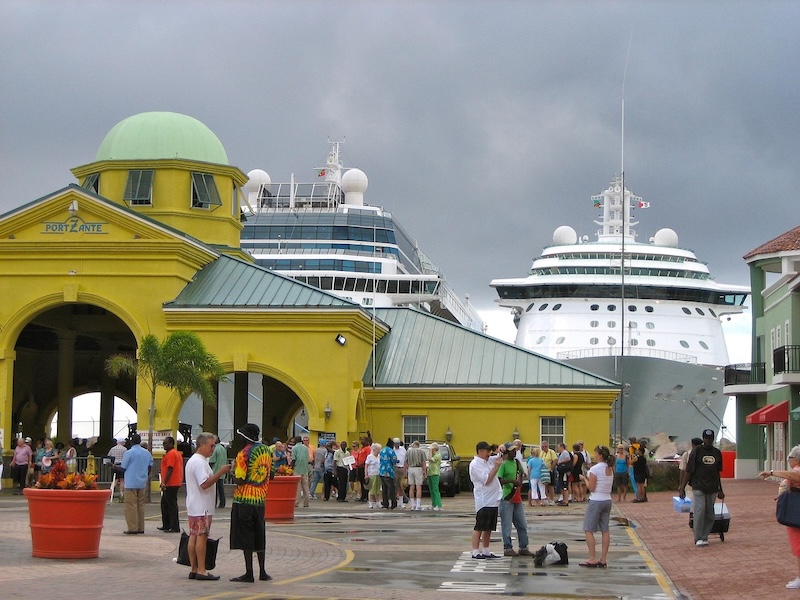
Reliable air connections and regional access
Living on a smaller island doesn’t mean you’re cut off from the rest of the world. Robert L. Bradshaw International Airport connects you to major cities like Miami, New York, Toronto, and London.
Regional flights have also bounced back to pre-pandemic levels, making it easier to travel throughout the Caribbean. You can fly to nearby islands like Antigua, St Maarten and Barbados in about an hour, which is great for weekend trips or business meetings. Ferries to Nevis are also available several times a day and take less than 45 minutes, so you can easily travel between the two islands.
If you need to travel often for work, you can plan your trips without the hassle of living somewhere remote. This mix of a quiet home base and easy travel is a big reason why many professionals choose to live here.
Healthcare access and daily services
You want to feel confident that your daily needs can be met without constantly travelling abroad. In St Kitts, you’ll find public healthcare facilities as well as private clinics that cater to both residents and expatriates. The Joseph N France General Hospital offers emergency and specialist services, while private clinics focus on routine care and diagnostics.
Many people in St Kitts have international health insurance, which covers treatment on the island and provides options for medical evacuation if specialised care is needed elsewhere. This is a common arrangement in smaller island nations and gives peace of mind to families moving from larger countries.
Every day, services are steadily improving. Supermarkets carry a mix of imported goods and fresh local produce. Banking services make it easy to handle international transfers or set up multi-currency accounts. Fiber internet is available in key residential areas, with speeds that support remote work and video calls.
A daily rhythm that supports balance
The slower pace of life is about more than just less traffic; it changes how you organise your day. Commutes are usually under 20 minutes and beaches or hiking trails are just a short drive away. This means you can finish work and still have plenty of daylight to enjoy the outdoors.
Community life is also very active. You can connect with locals and other expats at markets, cultural events, and sports games. In a smaller community where people know each other, making new friends is simple.
This lifestyle is great for both remote workers and retirees. It allows you to meet your professional goals while creating a daily routine that includes time for relaxation. The setting promotes an active, outdoor lifestyle, which is good for your long-term health and happiness.
Making the move work for you
Moving to St Kitts isn’t just about the stunning views, it’s about creating a lifestyle that matches your priorities. You’ll have access to international travel, reliable residency options, and living costs that can be more affordable than in big cities. Plus, you’ll gain something priceless – time. With shorter commutes and simpler routines, your days will feel more relaxed.
If you’re thinking about relocating, the best place to start is with a visit. Spend time exploring residential areas instead of staying only in resorts. Talk to local real estate agents, healthcare providers, and people who have already made the move. This will give you a better idea of what daily life is really like and help you decide if the island is right for you.