

A holiday is supposed to be a break, but for those among us who like to keep fit, that “break” can be surprisingly stressful. We don’t want to lose any fitness, but we do also want to relax and unwind. What should we do? Is there a good compromise between relaxation and getting ripped? The answer depends on what you want from the trip, what you plan to bring with you, and how you usually approach exercise. Let’s take a look:
Think about what you’re taking with you
Often, the answer to whether or not you should work out on holiday comes down to practicalities. What do you want to bring with you, what do you have space for, and so on? For example, bringing dumbbells on a plane probably isn’t the best idea because you’ll end up using a huge amount of your weight allowance just on a couple of bits of equipment. That said, if you’re going somewhere where the weather is amenable to it, you could easily pack a light vest for running and go for a jog around the hotel every now and then. It all depends on how you want to work out, where you’re going, and what you’ve got space to pack.
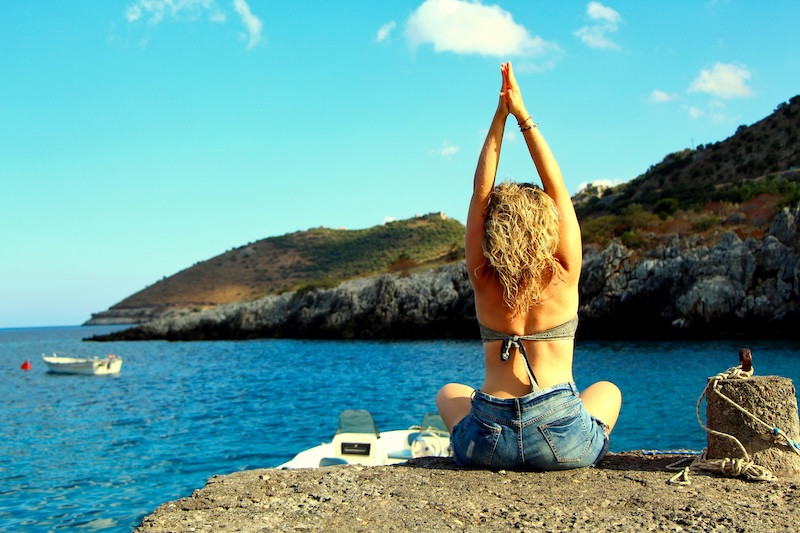
Think about what you want from your holiday
What are you looking for from your holiday? Are you going away in order to relax? To get a change of pace? To see new places and have new experiences? Remember that lengthy workouts or a strict schedule can make all of that harder to achieve. If you aren’t a bit lenient with yourself over your workouts, you risk turning your holiday into a repeat of daily life at home – just in a different location.
Instead, consider lightening or shortening your routines, or even incorporating them into your holiday plans. For example, you could hike, run or cycle to local sightseeing spots.
Consider the kind of holiday you’ve booked
The type of holiday you’ve opted for should also impact your decision. For example, if your days already include long walks, swimming or time outdoors, you may not need formal sessions. That level of movement can keep you active without extra planning.
A slower break, on the other hand, might require more structured exercise. Long periods of sitting, travel days, or extended meals can leave you feeling sluggish after a few days. In that case, short yoga sessions or a quick jog can help you stay alert and avoid that heavy feeling that builds over time.

Understand your own attitude and motivations
Your own attitude to training plays a part as well. If you rely on exercise to stay settled, a complete stop can feel uncomfortable. If you see training as a bit of a chore, you may prefer to leave it behind for a few days. Neither approach is wrong – and both can cause issues if you’re not self-aware about your own motivations and needs.
Trying to follow a full training plan while you are away can detract from the fun of a holiday, but stopping entirely can be jarring (not to mention make it harder to get back into training after the holiday). Try to find a middle ground that suits you.
How to exercise on holiday
If you’ve weighed up the pros and cons of exercising on holiday, and decided that you want to at least try and get some workouts in, here are some ideas that may help:
- Running is often the easiest option. You do not need much equipment, and you can start from wherever you are staying. A short route early in the day can fit around other plans. You can also use the run to get a sense of the area. Streets, parks, and coastal paths all give you a different view compared with moving by car or public transport. That can make the session feel part of the day rather than something separate.
- Short sessions in your room can be game-changing. Basic movements like squats, lunges and press-ups take little space and no equipment. You can move through a few sets in twenty minutes and then get on with the rest of your day. There is no need to track every detail or follow a strict format – but do be mindful of people in the rooms below you, and try to keep jumping or heavy-impact movements to a minimum.
- Hotel gyms can be an option, but they vary in quality and availability. Some have limited equipment, and busy periods can make them harder to use. If you do train in one, keep the session short and focused. Pick a few movements, work through them, and leave.
- Outdoor activities can also take the place of structured sessions. Swimming, hiking, or cycling can keep you active without setting aside dedicated training time. These options tend to fit more naturally into a holiday schedule, which makes them easier to maintain across several days.
Be realistic
It also helps to adjust expectations in line with your holiday. For example, travel and new experiences can be tiring, meaning that your pace may drop, and your strength may feel lower than usual. Changes in sleep, food, and routine all affect performance as well. That is not something you need to correct while you are away. Ideally, treat any holiday training as maintenance and leave harder sessions for when you return.
It’s your choice!
In the end, the choice comes down to how you want your holiday to feel. You do not need to follow your usual routine to stay active, and you do not need to avoid exercise completely to relax. A small amount of movement can keep you comfortable and ready to return to normal training. Keep sessions short, keep them flexible, and let the rest of the trip take priority.